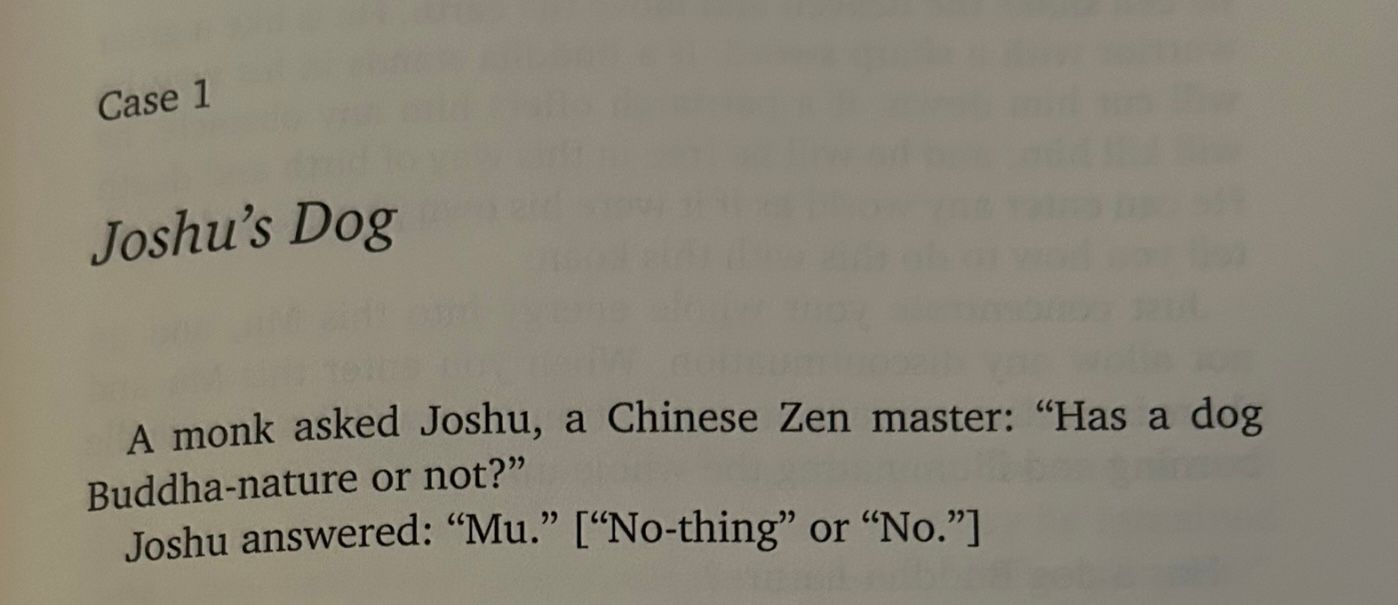
Article 8. JOSHU’S DOG: Case 1 in “The Gateless Gate” Book of Zen Koans by Mumon, Compiled and Published in 1228, During the Southern Song Dynasty in China. A monk asked Joshu, a Chinese Zen Master: “Has a dog Buddha-nature or not?” Joshu answered: “Mu.” [“No-thing” or “No.”]
The koan’s question is simple, but answering it is a task that is fraught with perils. As I struggled to answer, I was reminded of the Zen story of the tiger and the strawberry.
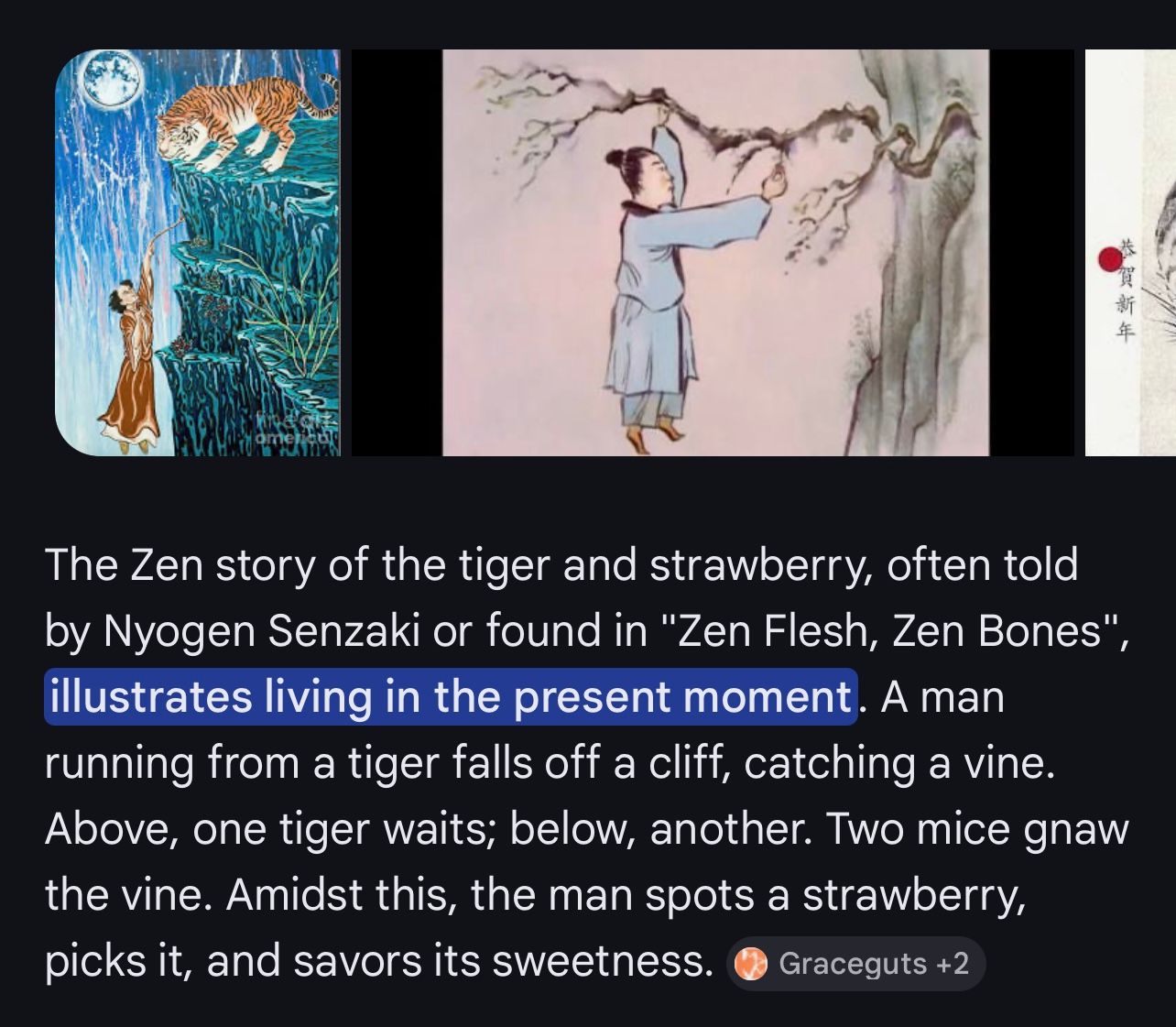
In this case I am not citing the story of the tiger and the strawberry to illustrate the importance of “living in the present moment.”
Rather, I am noticing that the dilemma that the monk presents for consideration is this:
How is it possible to give the RIGHT answer to the monk’s question without talking about what is RIGHT and what is WRONG for HUMAN BEINGS to do with NON-HUMAN BEINGS?
The more earnestly I tried to answer the monk’s question, the WRONGER I became.
“THIS IS INSANE! THIS IS ALL WRONG! Why can’t I stop talking right now???” I would scream inside as the wrong words kept tumbling out.
So I would delete what I wrote and start again.
And again, I would have the same problem:
Thinking that I was RIGHT, yet unable to say anything RIGHT—then having to wonder if it was because I was deeply and horribly WRONG?—but in any event knowing that I had to say *something* that wasn’t WRONG to answer the koan!
This kept happening for FOUR MONTHS; I started writing this article in December, and after several attempts to finish it, I still could not write my answer right.
And it’s not like I first read the koan four months ago!
No!
Over the past 15 YEARS—when I first started “koan practice” while I was in jail studying Good and Evil—I have written (and discarded) many wrong answers to this koan.
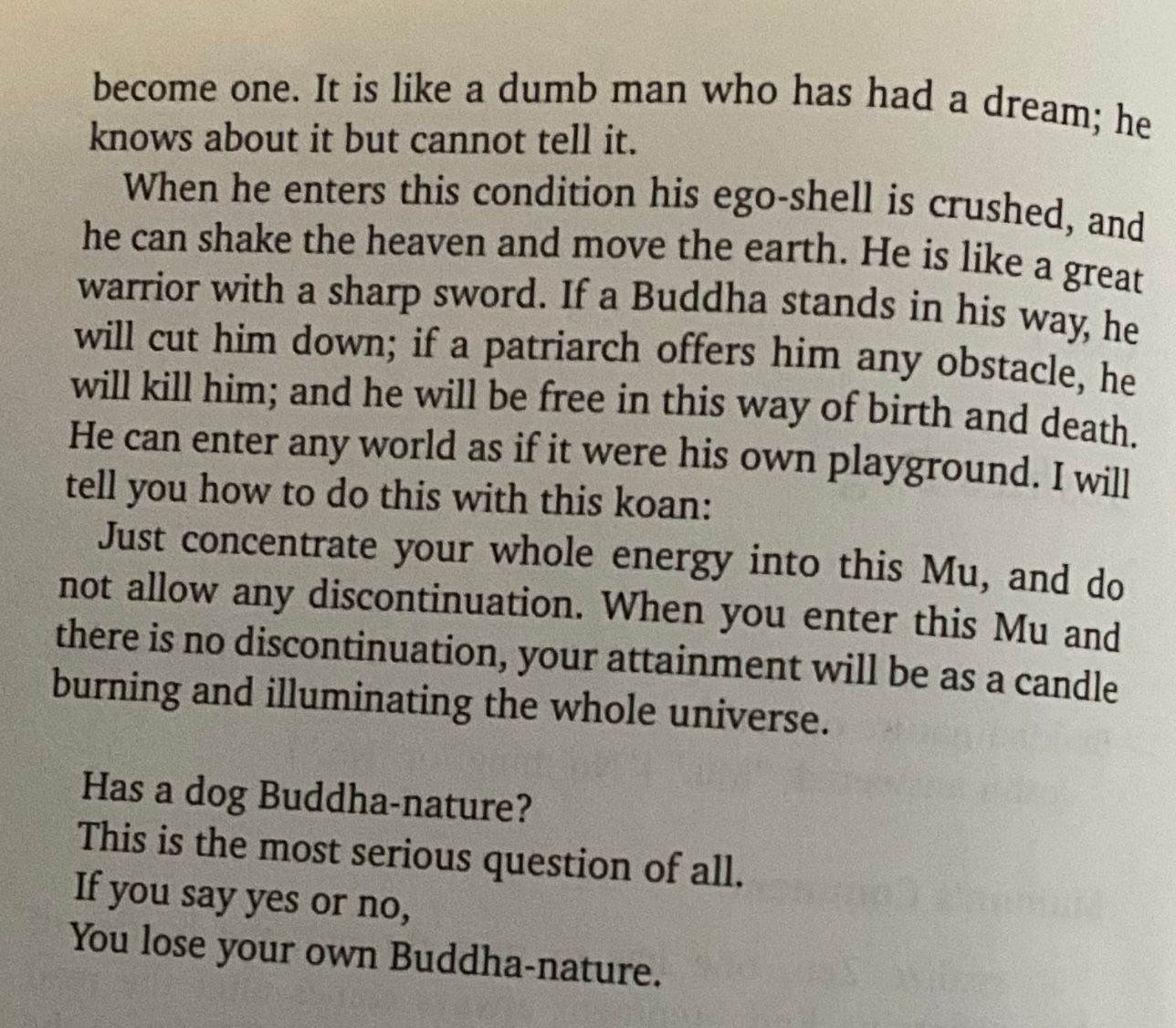
At no time until NOW (it’s April 24, 2026) did it even occur to me that one aspect of the koan is the dilemma of being unable to SAY the right answer in spite of having a belief—a false belief, perhaps—of knowing the right answer.
No wonder it’s tempting to say a simple “yes” or “no”!
But the problem with that approach is that anyone can say a simple “yes” or “no” with the toss of a coin, so therefore saying a simple “yes” or “no” is not going to be sufficient if “enlightenment” is the aim; you’ve got THE BURDEN OF PROOF to meet!
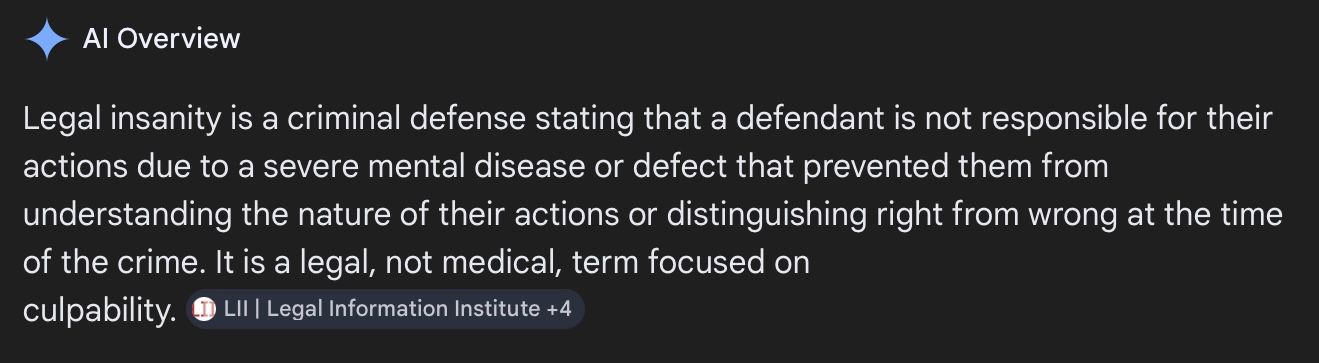
OK but the problem remains that you’re either going to be dead wrong (because there’s only one right answer) or you’re going to be…dead wrong lol, since if you try to meet your burden of proof, you will fail, becoming GUILTY of either (a) MENTOPHOBIA/ANTHROPOCENTRISM or (b) LEGAL INCOMPETENCE (at best, and LEGAL INSANITY, at worst),
AND THEN YOU WILL NOTICE THAT (a) AND (b) ARE THE SAME DIFFERENCE if you want to call yourself “righteous,” since if you want to call yourself “righteous” then you have to COMPETENTLY meet your SCIENTIFIC burden of proof.
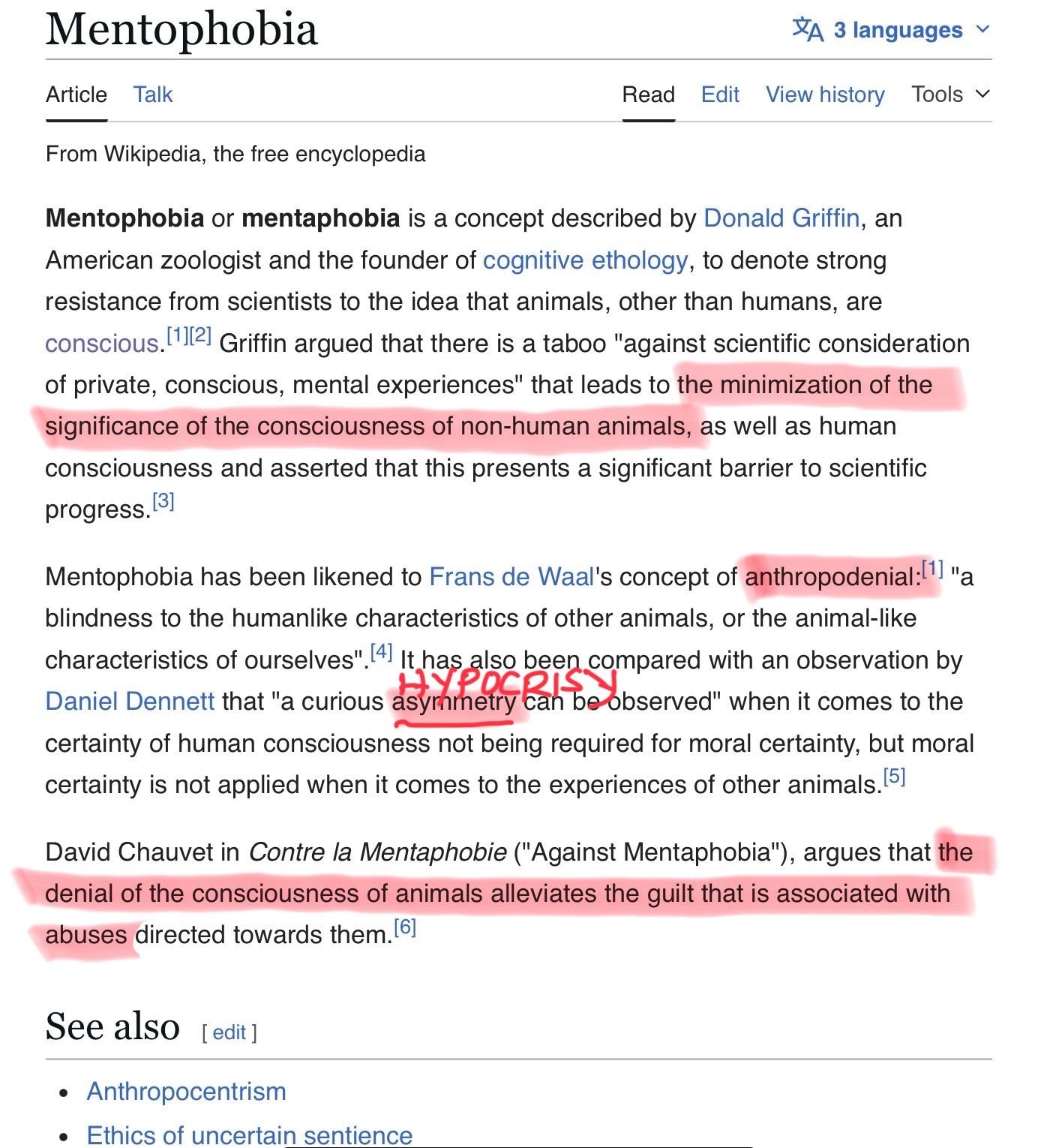
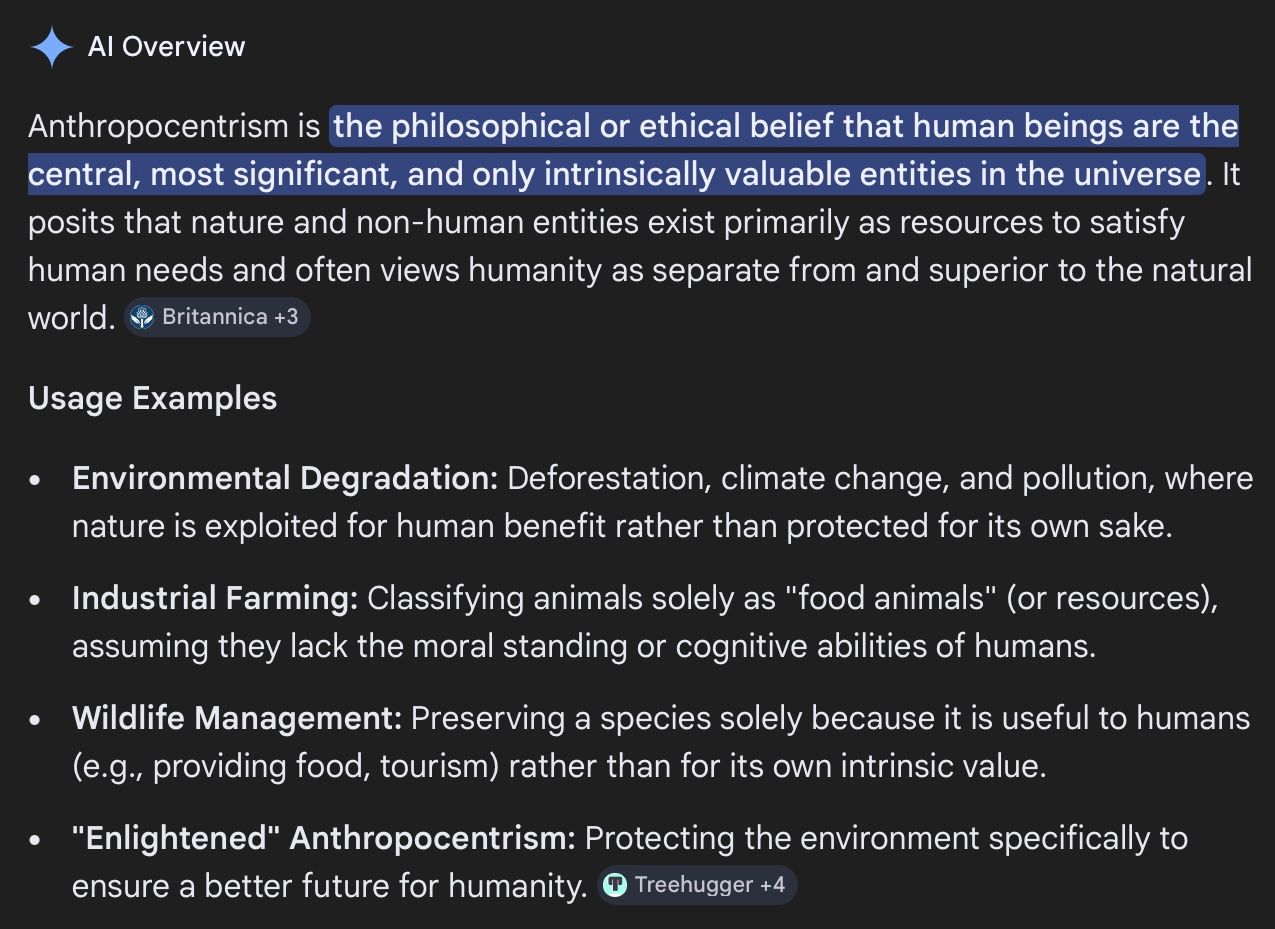
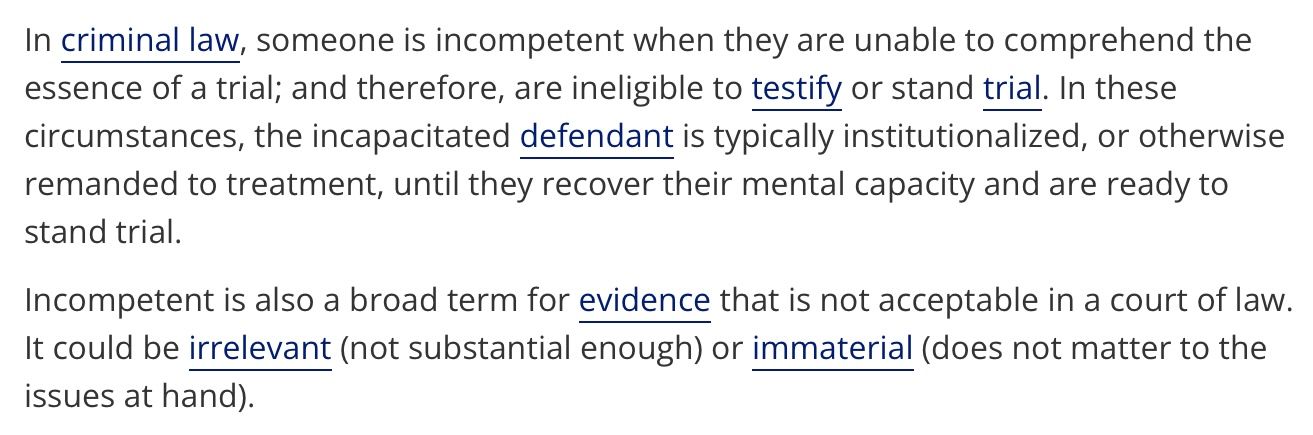
It’s like being the person hanging from the vine in the story of the tiger and the strawberry.
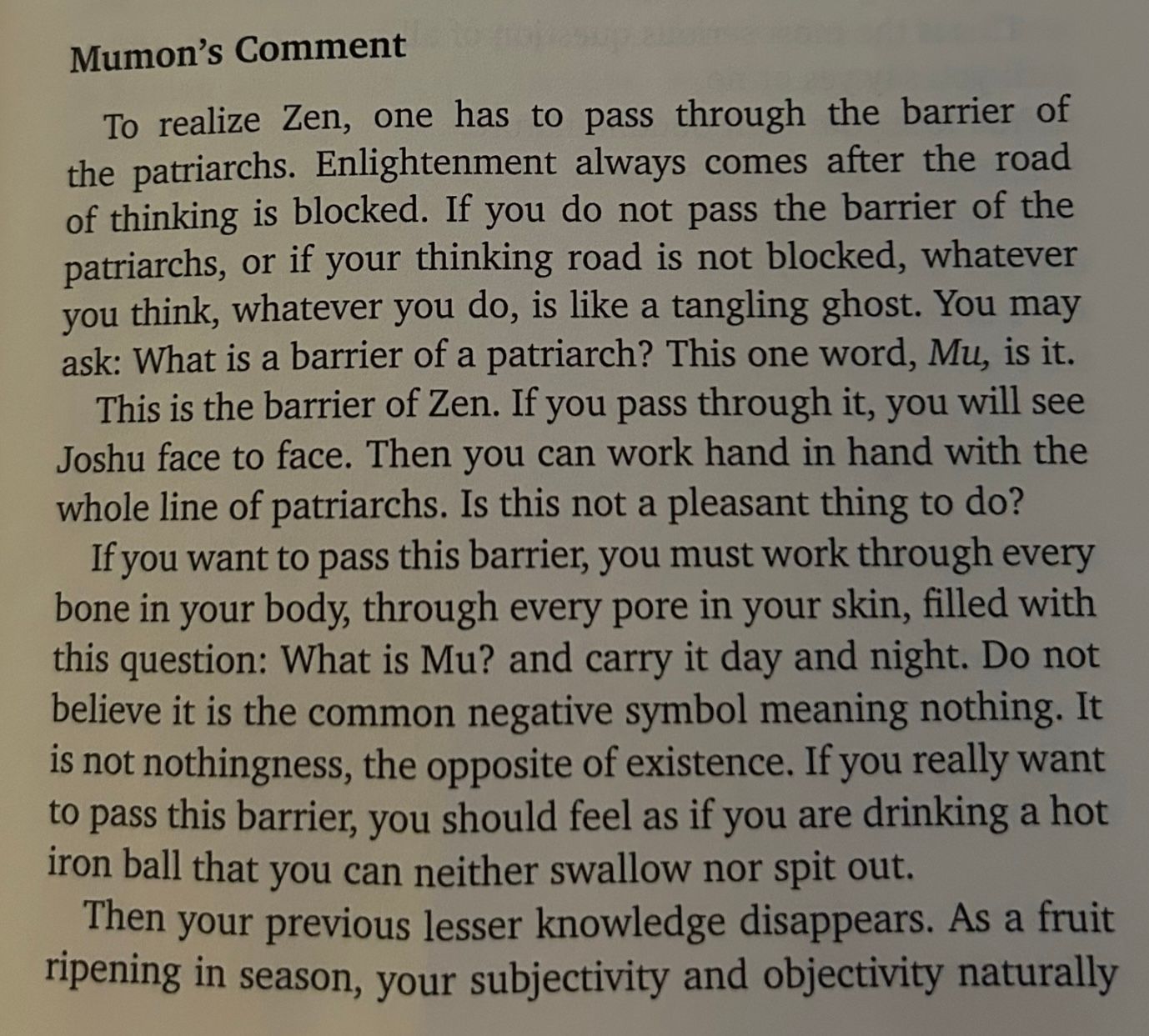
“That sounds like Joshu’s dilemma,” I finally realized, so therefore—I further reasoned—“I have seen Joshu face to face.”
But that’s cold comfort, because to repeat: If my answer is that I can’t say the right answer, then do I really KNOW the right answer? Or am I only kidding myself about being human(e) with Buddha-nature?
Now I have to worry about that in private, but at least I can do this much RIGHT in public, because I am certain that everyone with a heart for Justice who thinks about the subject is going to end-up having the same experience I did, which I am equally certain that no non-human being will ever share, because animals really don’t care—and therefore it’s irrelevant to them—what I or the legislature or the czar or Cesar may say about them. In other words, non-human beings don’t have JUSTICE “within” them to SPEAK OF, and from that fact we deduce that animals LACK SELF-AWARENESS, aka SELF-CONSCIOUSNESS, which means that they are NOT AWARE OF THEIR EXISTENCE.
That’s what a Buddha says, if I am not mistaken.
What does a cow say? And what does a cat say? And what does a dog say? And what does the largest animal of all—the blue whale—say?
“Mu,” with a species-specific accent.
That’s what a Buddha (Joshu, aka Mumon) said, without a doubt.
Ergo, my descriptive answer is sufficient without the addition of my self-serving thoughts about Buddha-nature.
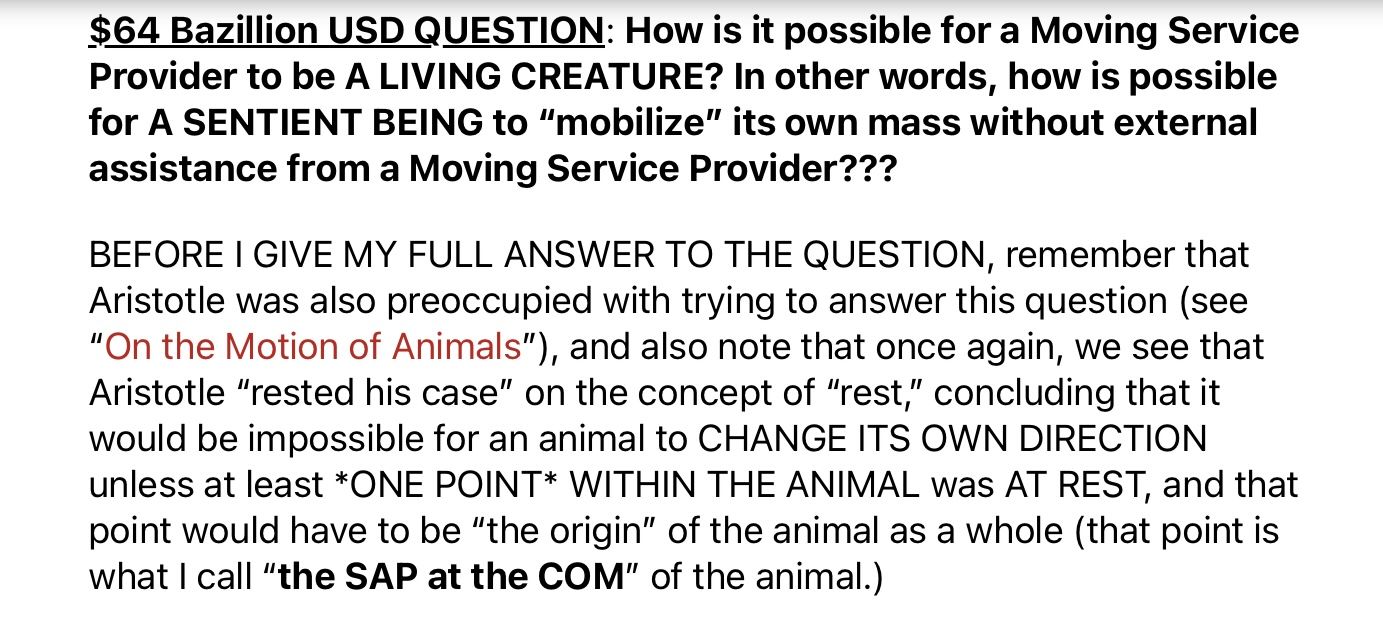
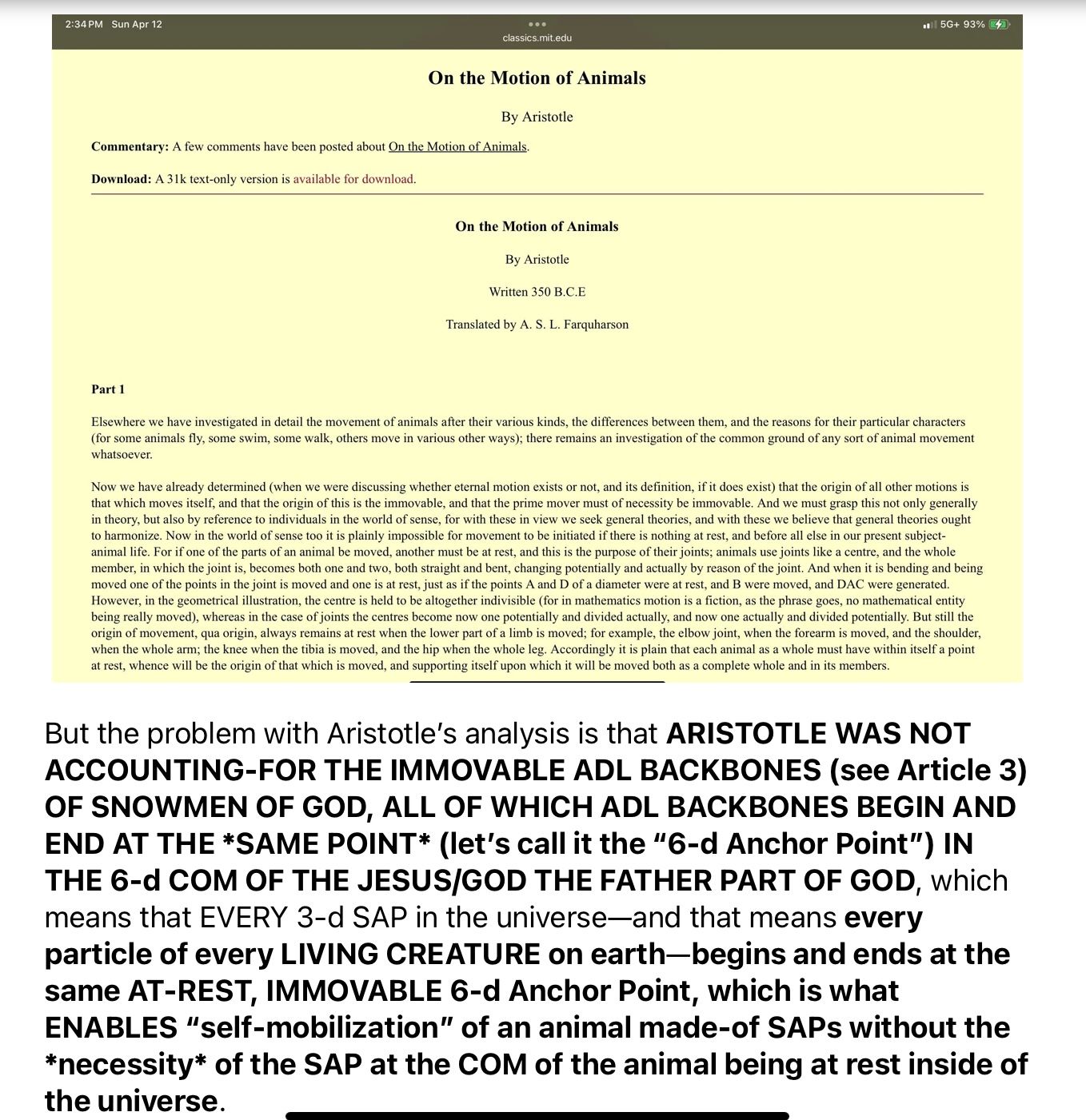
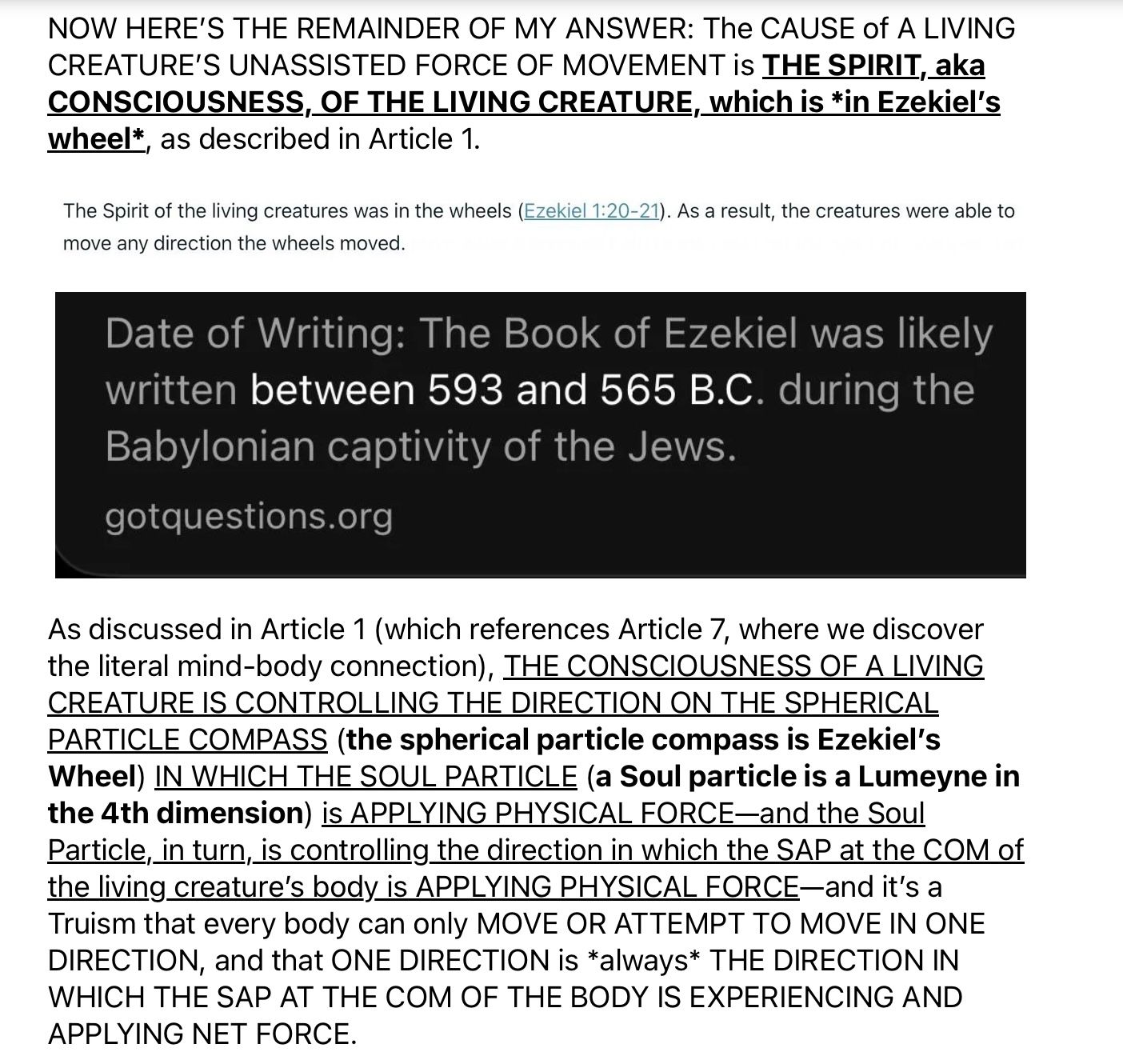
But as I discovered while I was writing Article 4—when I found Aristotle’s treatise “On the Movement of Animals,” written in 350 BC—the self-mobilization of sentient beings demands more of an explanation, and it’s actually possible to talk about that topic without displaying Anthropocentrism-nature, i.e., without causing DISCONTINUITY; WE MUST EXPLAIN HOW EVERY SENTIENT BEING (HUMAN AND NON-HUMAN) MOBILIZES ITS OWN BODY (it’s physically impossible for any part of a body to autonomously cause the origin point of the body to move), AND THERE’S UNDOUBTEDLY ONE UNDERLYING CAUSE OF MOTION THAT EVERY LIVING CREATURE HAS IN COMMON!
RECALL from Article 4:
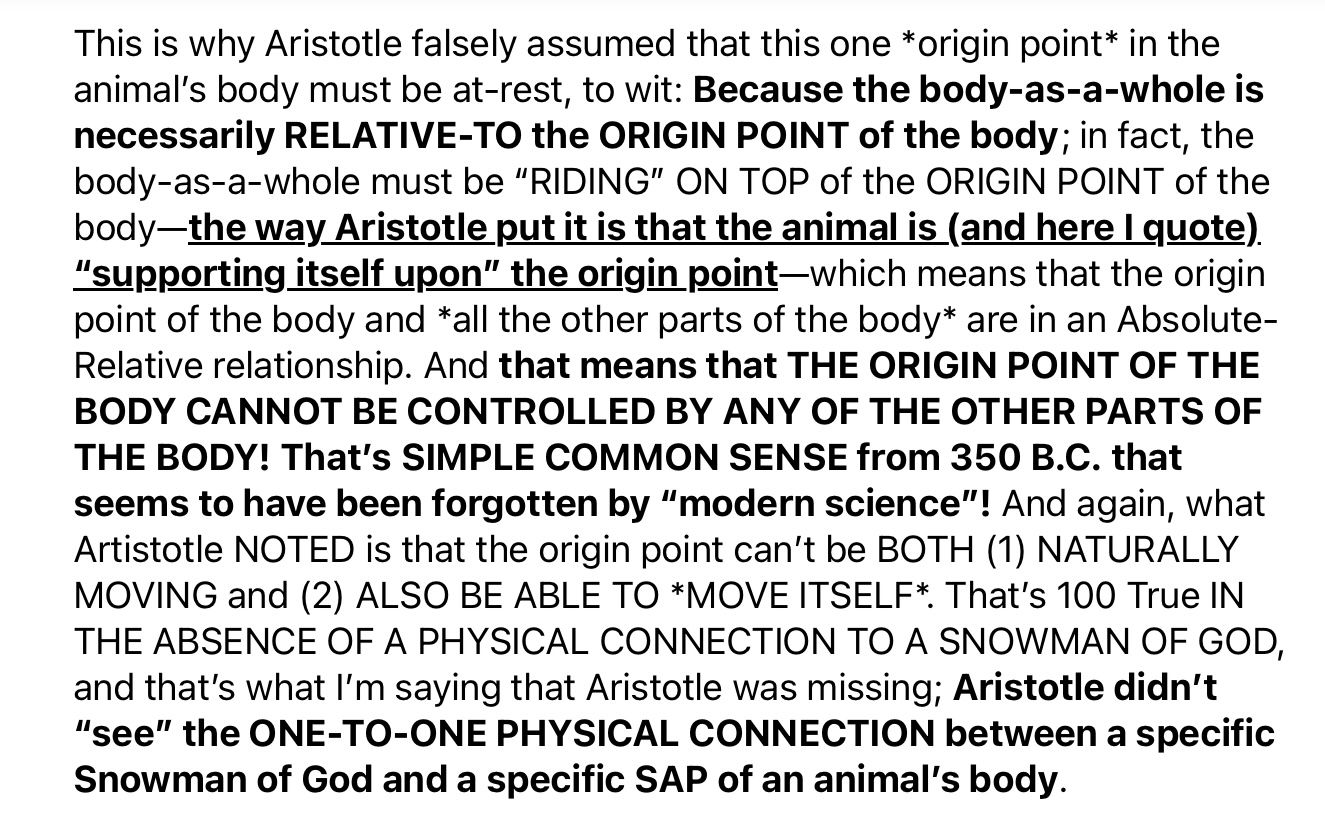
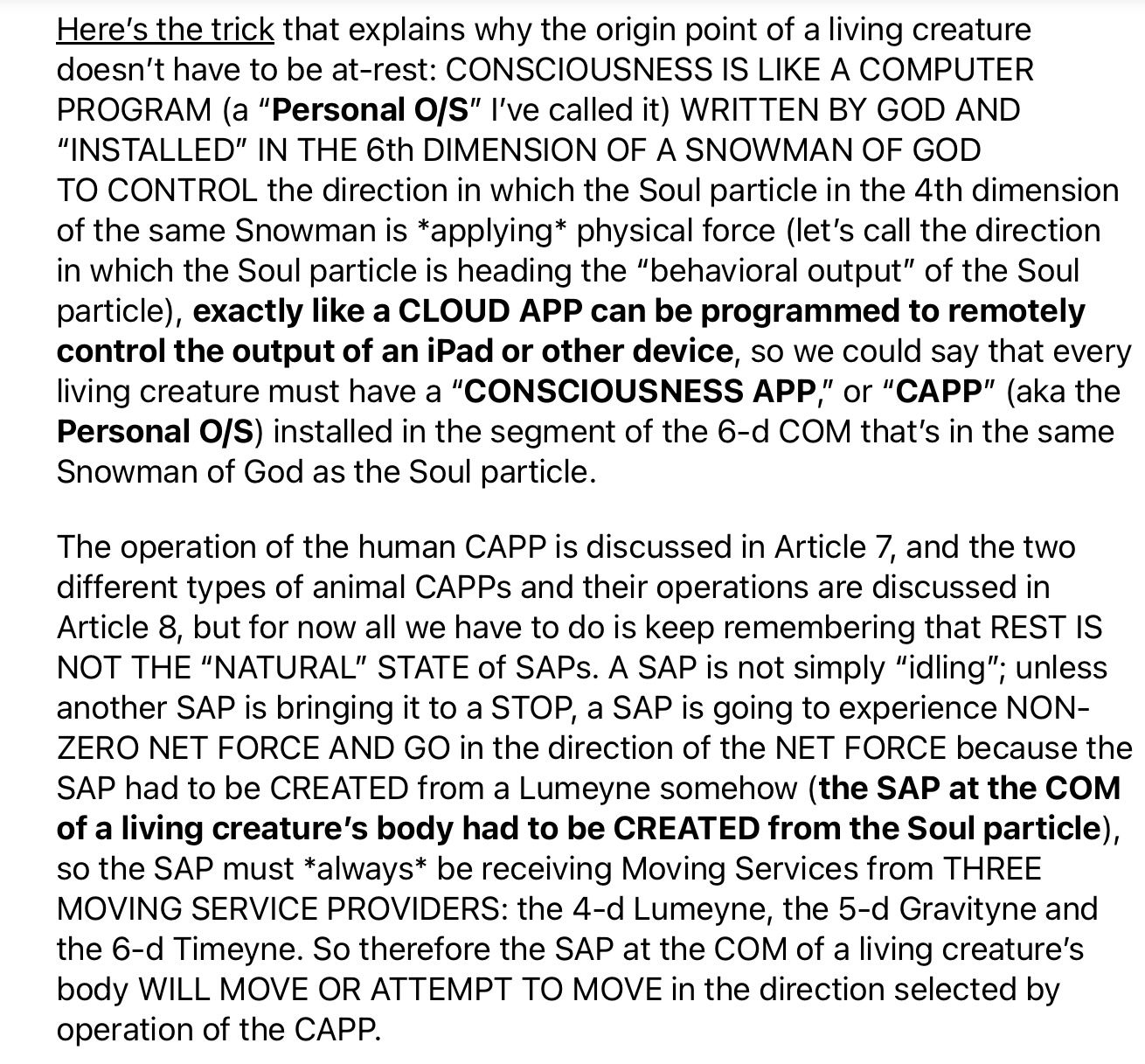
APPs are de rigueur in the smartphone age!
So we can easily imagine how a CAPP installed below the Timeyne (above the 6-d Anchor Point) in the same Snowman of God as the SouLL would be able to CONTROL THE DIRECTION OF THE PHYSICAL FORCE APPLIED BY THE SAP AT THE BODY’S COM by controlling the direction of the physical force applied by the SouLL.
RECALL from Article 7:
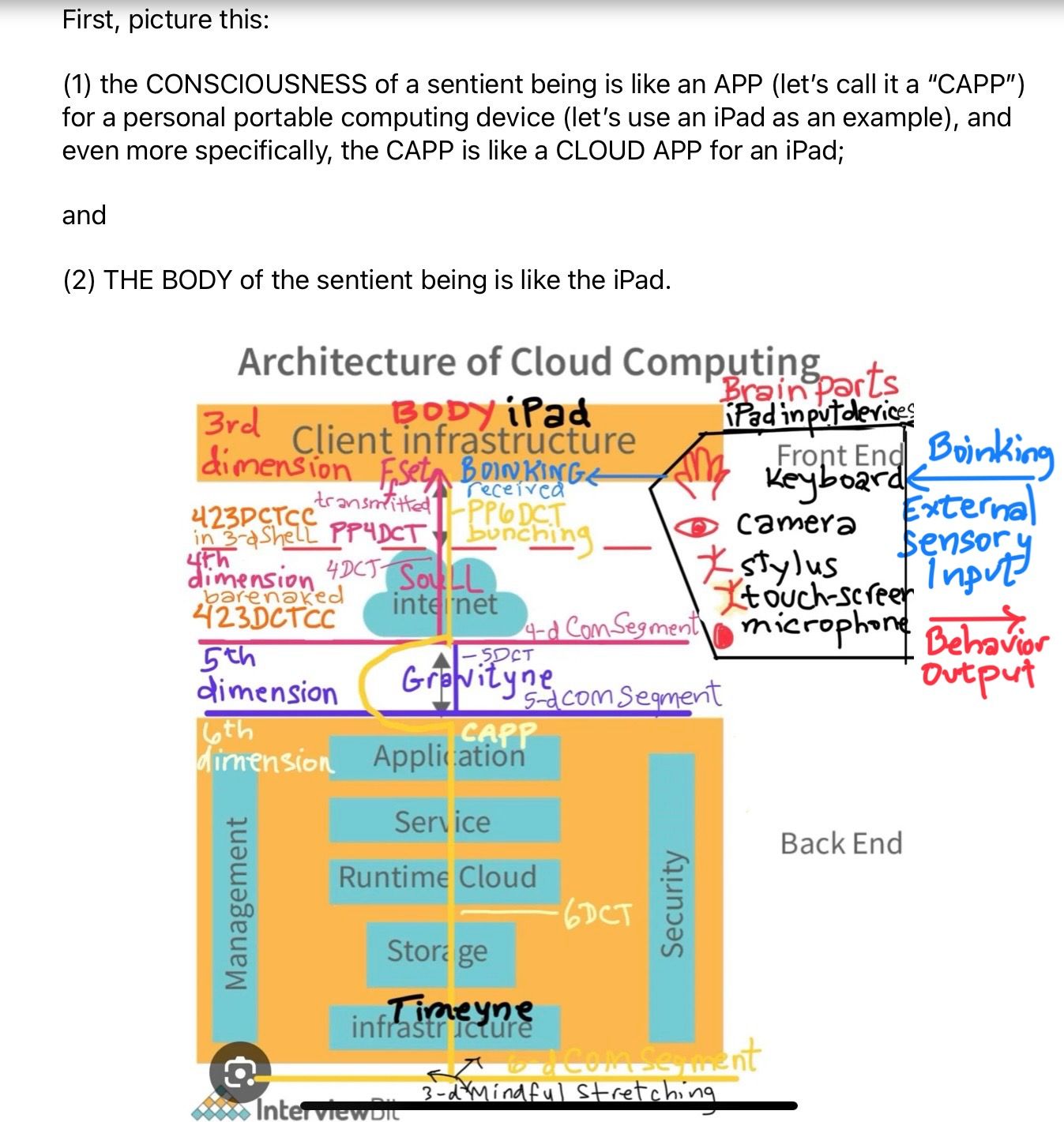



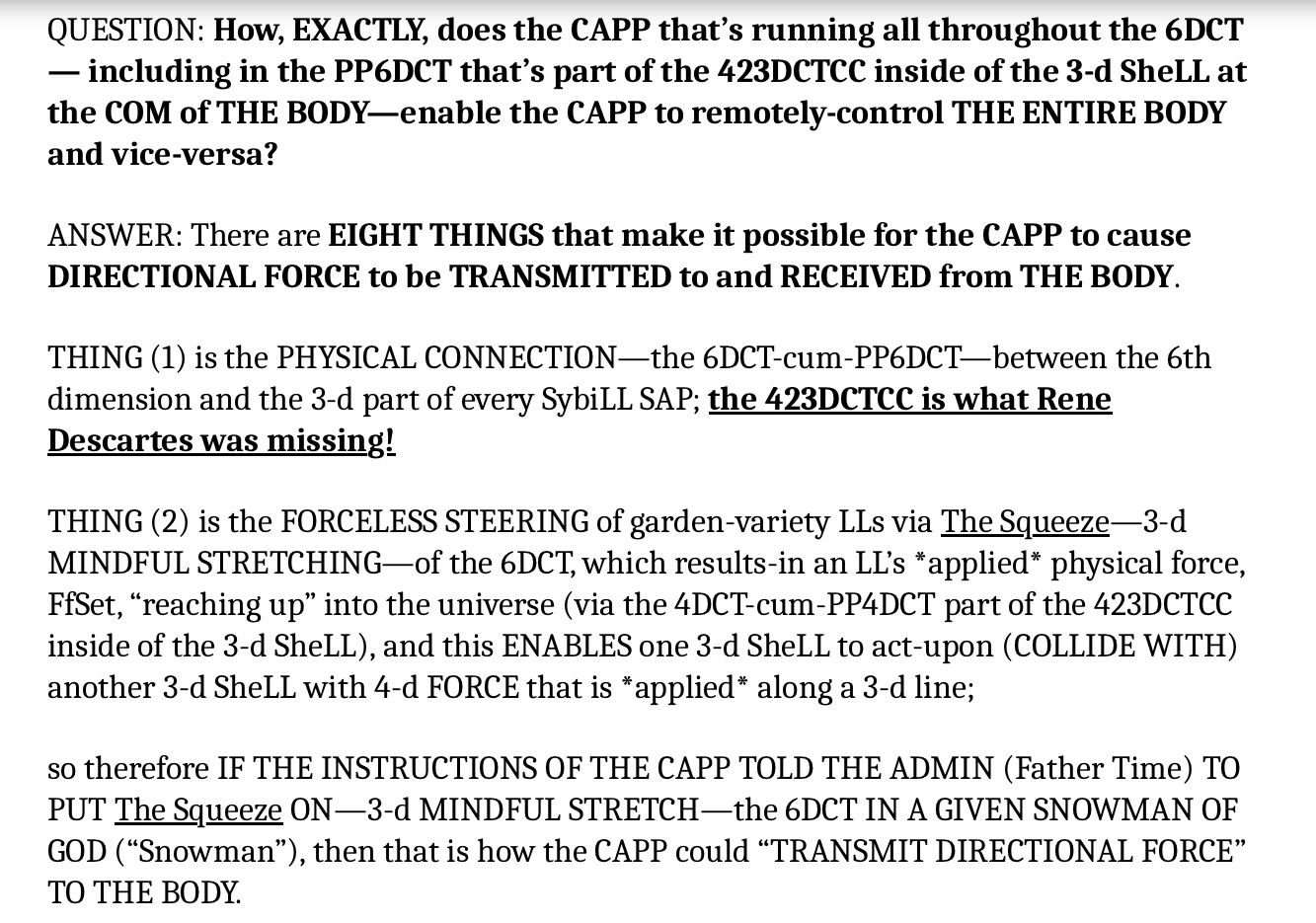
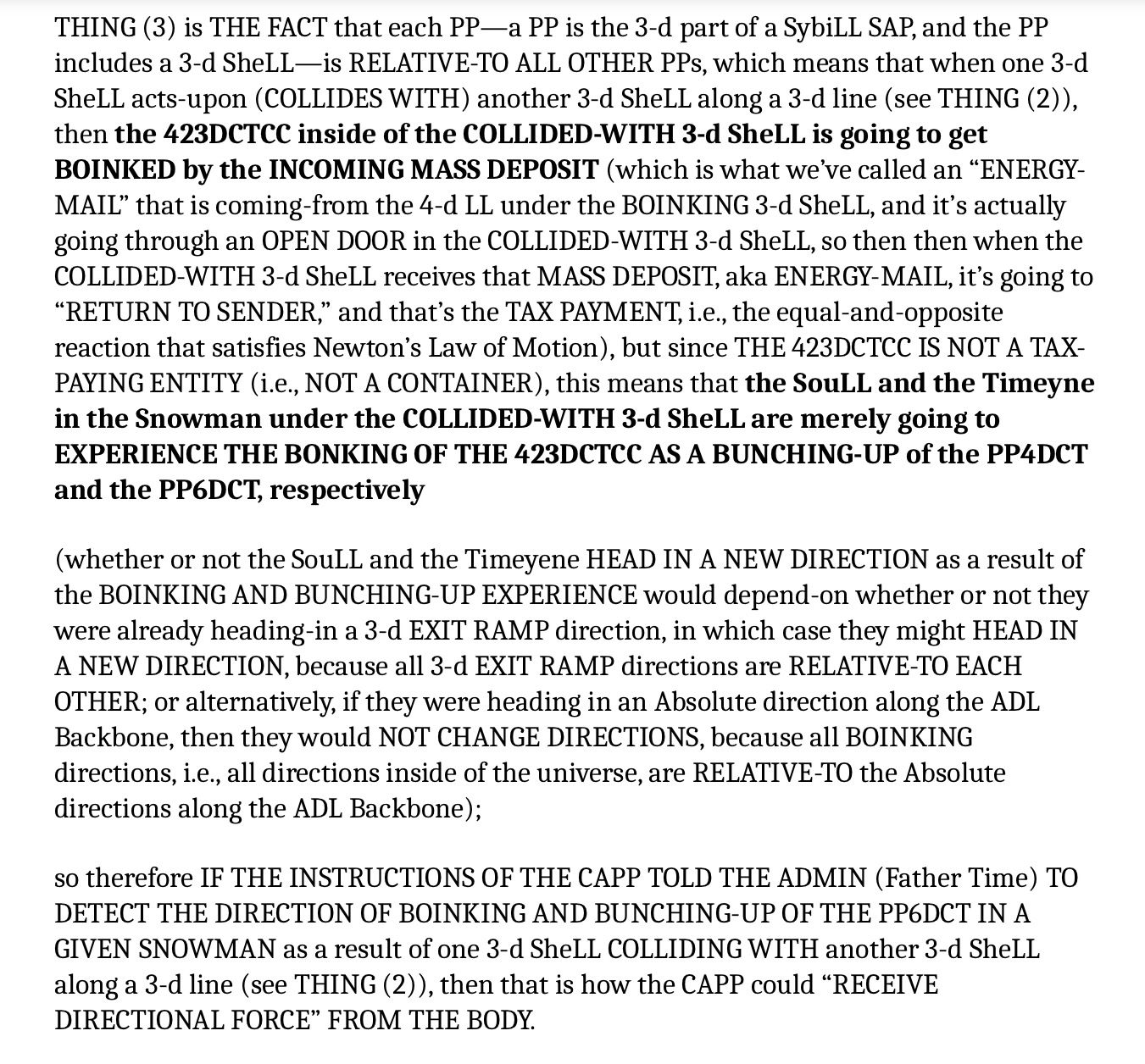
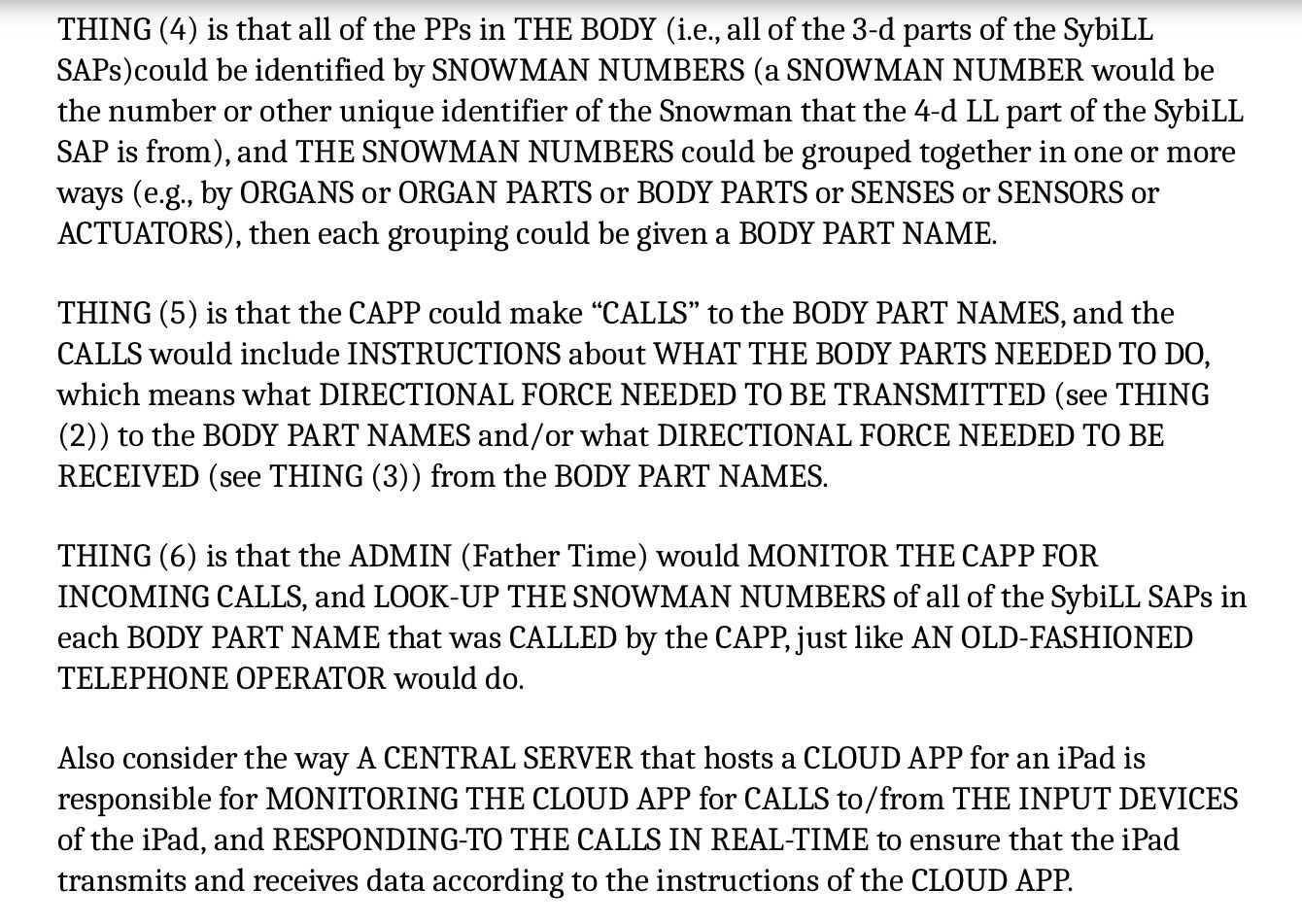

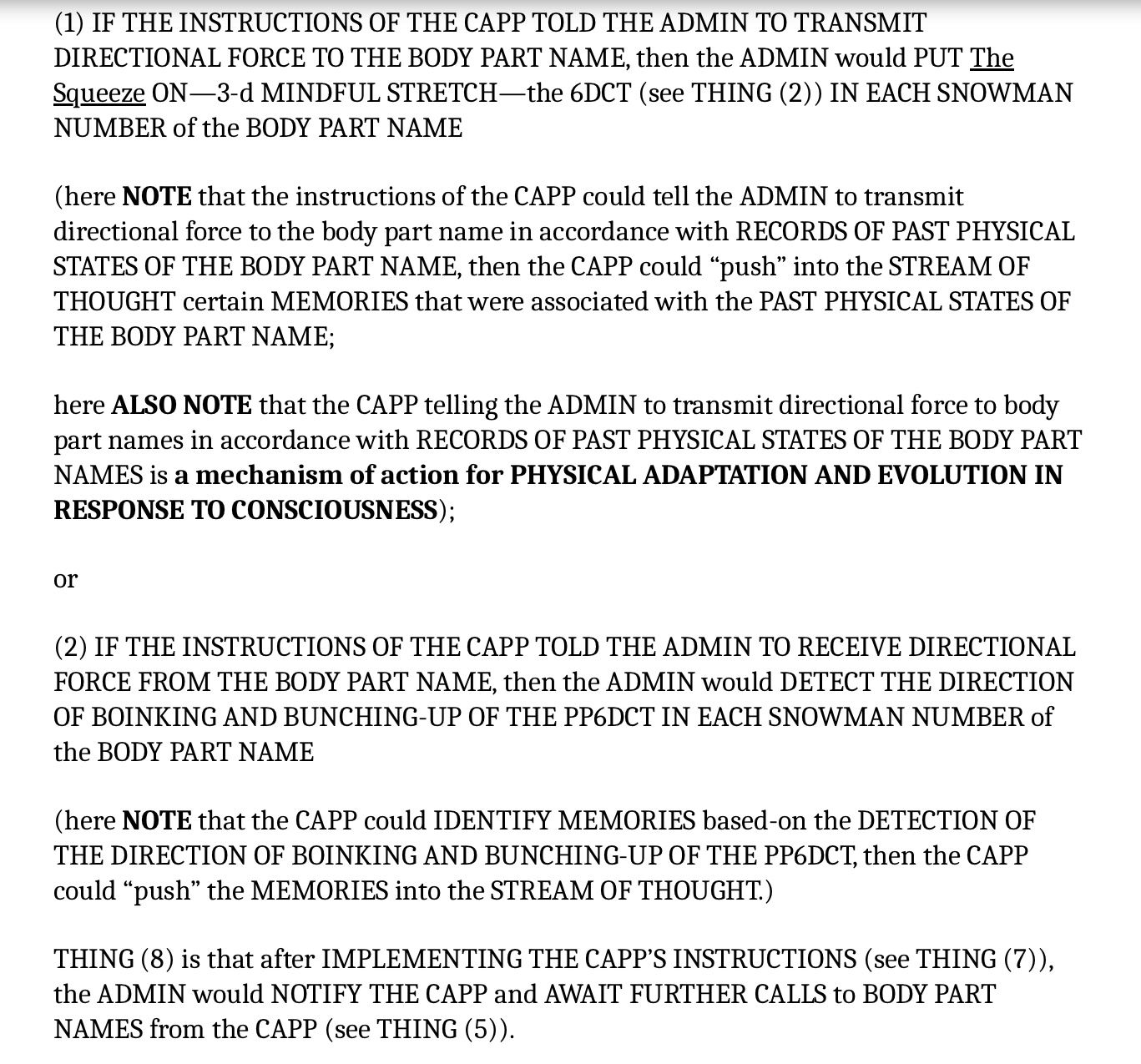
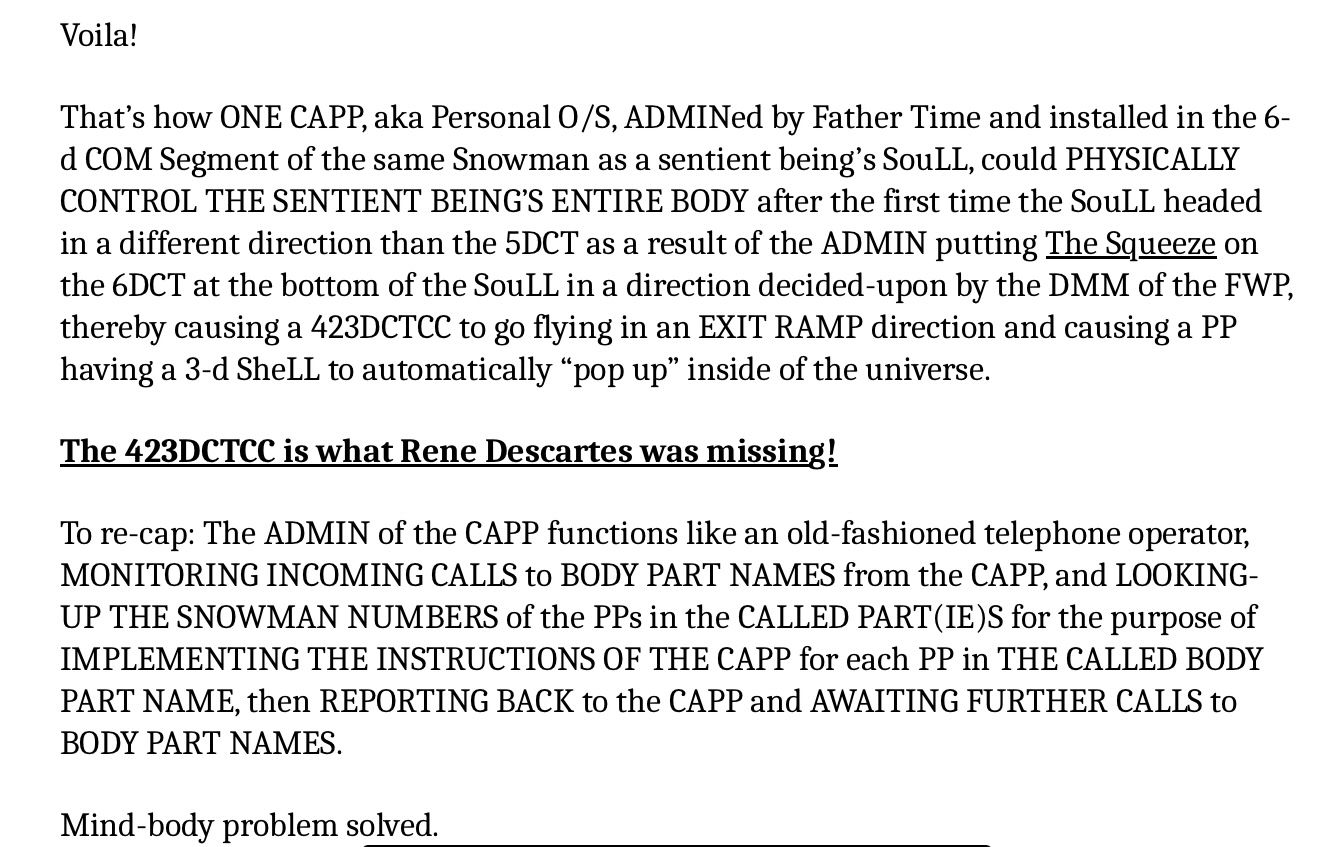
QUESTION: How can a sentient being have a CAPP but yet LACK SELF-CONSCIOUSNESS, i.e., AWARENESS OF THEIR EXISTENCE?
ANSWER: Without a MORAL JUDGMENT (inserted by the CAPP into the stream of thought in response to the SELF’s answers to the yes-or-no questions, as discussed in Article 7), a sentient being would LACK SELF-CONSCIOUSNESS, because without the MORAL JUDGMENT, the self can’t sort TRUTH from FICTION—in the absence of the MORAL JUDGMENT, every decision of the SELF would simply BE WHAT IT WAS—with the result being AN ABSENCE OF *KNOWLEDGE* OF THE *MEANING* OF THE SELF’S DECISIONS, and that is another way of saying that the being is NOT SELF-CONSCIOUS.
QUESTION: Can we therefore conclude all NON-SELF-CONSCIOUS sentient beings have SELFs that are MAKING DECISIONS of which their SELFs are UNAWARE?
ANSWER: No, because that conclusion would not explain the behavior of “pack animals” (“PAs”) such as dogs, who display behaviors AGAINST SELF-INTEREST in the process of FOLLOWING A LEADER; by observation, dogs and other PAs can be TRAINED TO “CARRY BURDENS” ON-COMMAND OF LEADERS, and more specifically, they can be trained to follow the same commands from different leaders, i.e., to FOLLOW THE BURDENSOME COMMANDS OF TOTAL STRANGERS.
This is especially evident in dog training, where dog owners are often seen to be struggling with a dog’s behaviors, yet TOTAL STRANGERS TO THE DOG (both people and other dogs) can show-up on the scene and more or less immediately teach a dog “new tricks” simply by GIVING THE DOG A “LEADER INPUT” THAT THE DOG’S CAPP RECOGNIZES AS SUCH.
This LEADER-FOLLOWING behavior of PAs would be fully explained if PAs do not have a decision-making SELF at all; so they wouldn’t need a FWP, either, they would only need a CAPP in the 6th dimension and a body.
We could say that PAs have a “SELF-less CAPP”, as opposed to the “SELF-enabled CAPP” that non-PAs have.
A SELF-less CAPP would have to AUTOMATICALLY SELECT A “BEHAVIORAL OUTPUT” (a behavioral output is a direction of the physical force of an LL and its associated SAP, e.g., the SouLL and the associated SAP at the COM of the body.)
So a SELF-less CAPP would also need a special ALGORITHM (let’s call it a “CAPP ALGORITHM”) for identifying SENSORY INPUTS to the PA and selecting BEHAVIORAL OUTPUTS from the PA.
One way a SELF-less CAPP could work would be to hold a continual COMPETITION between SENSORY INPUTS with the HIGHEST-INTENSITY SENSORY INPUT “WINNING” THE COMPETITION for CONTROL OVER THE BEHAVIORAL OUTPUT *UNLESS* A HIGHER-INTENSITY LEADER INPUT WAS PRESENT, and then the “WINNING” MEMORIES could become “feedback” in the future when a similar sensory input was encountered, and the MEMORIES would serve to increase the intensity of a specific “trigger.”
The SENSORY INPUTS and the BEHAVIORAL OUTPUTS could also both be defined according to a fixed “rank,” to enable the PA to harmoniously function as one member of a GROUP (the RANK identifier enables SOCIAL behavior); PAs having different ranks could be sensitive to different SENSORY INPUTS and LEADER INPUTS and could display different BEHAVIORAL OUTPUTS.
For example, a PA with the rank of “pack leader” would not recognize any leader input and therefore would not have a “following”—corresponding—behavioral output.
PAs with the pack leader rank would probably all be wild animals.
Now we can better envision how a non-PA’s SELF-enabled CAPP could operate: By holding the same sort of continual COMPETITION between triggered SENSORY INPUTS, then serving-up the trigger of the HIGHEST-INTENSITY SENSORY INPUT (the “WINNER” OF THE COMPETITION) to the FWP (and more specifically, to the SELF) in the 4th dimension, which would have to make a simple “YES/NO—ACCEPT/REJECT, THUMBS-UP/THUMBS-DOWN—CHOICE” (let’s call that a “RELATIONSHIP CHOICE”) about the trigger.
We observe that all animals—both PAs with SELF-less CAPPs and non-PAs with SELF-enabled CAPPs—display individual “FIGHT OR FLIGHT” behavioral outputs when they encounter MORE FEARSOME or LESS FEARSOME TRIGGERS of sensory inputs (let’s call an animal’s “FIGHT OR FLIGHT” behavior the animal’s “TEMPERAMENT”), so therefore we would have to conclude that a PA’s RANK is different than an animal’s TEMPERAMENT.
The way I think about TEMPERAMENT is like a pre-programmed set of points on a graph (the “Temperament Template,” let’s call it),
with the X-axis being an TRIGGER TOLERABILITY SCALE centered on 0, with LOVIN’ IT at zero, DGAFing IT at -50 and SAY HELLO TO MY LITTLE FRIENDing IT at +50;
and
with the Y-axis being a TRIGGER FEARSOMENESS SCALE centered on 0, with no arousal of fear at zero, and maximum arousal of fear at both -50 and +50;
and
with the X-Y axes of the Temperament Template functioning like a BULLSEYE DIAGRAM—meaning that there would be QUADRANTS, WITH MULTIPLE “RINGS” IN EACH QUADRANT—and each quadrant and ring would represent a different set of possible DEFAULT BEHAVIORAL OUTPUTS.
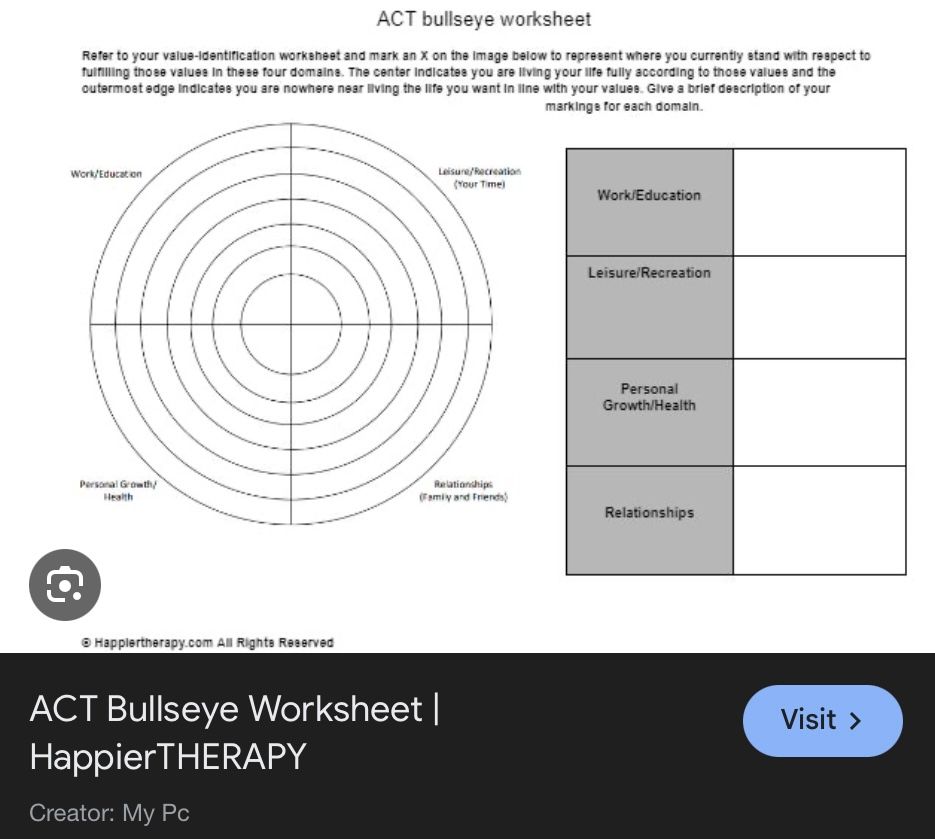
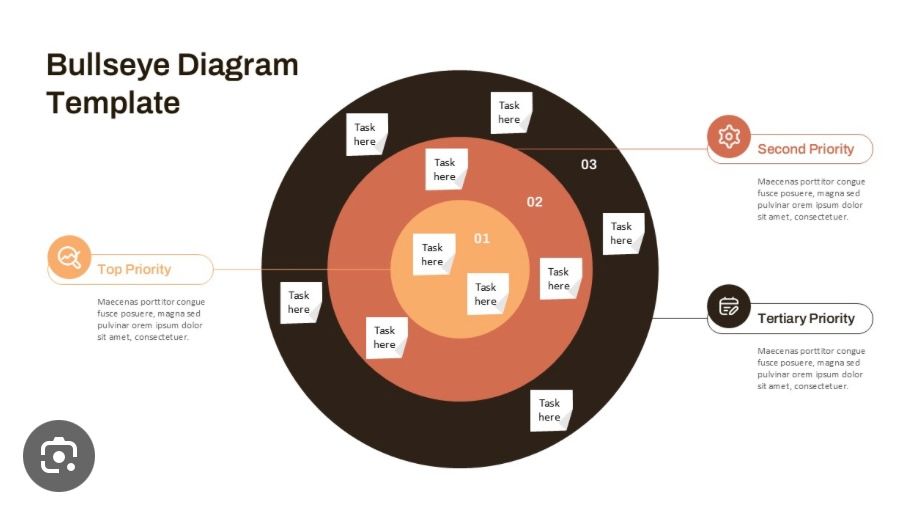
Now we NOTICE that every animal’s BASIC NEEDS (food, rest, exertion, comfort, shelter, safety) and also every animal’s SOCIAL NEEDS (for both PAs with SELF-less CAPPs and non-PAs with SELF-enabled CAPPs) could be met by a CAPP with four basic functions that would enable an individual animal to AVOID AND APPROACH AND INTERACT with objects in the environment:
(1) continually monitor all SENSORY INPUTS (both “internal-focused” sensory inputs that are triggered by UNMET BASIC NEEDS, e.g., food, rest, exertion, comfort, shelter, safety, and “external-focused” sensory inputs that are triggered by OBJECTS OR EVENTS IN THE ENVIRONMENT, each of which triggers of the CAPP will automatically “match” to a point on the X-Y axes of the Temperament Template);
and
(2) determine the HIGHEST-INTENSITY SENSORY INPUT (with perceived intensity being augmented by MEMORIES of similar triggers of the same sensory inputs);
and
(3) consult the X-Y axes (the BULLSEYE DIAGRAM) of the Temperament Template to determine the DEFAULT BEHAVIORAL OUTPUT corresponding to (2), the HIGHEST-INTENSITY SENSORY INPUT;
and
(4) determine whether to perform the DEFAULT BEHAVIORAL OUTPUT or to perform a SOCIAL BEHAVIORAL OUTPUT by considering SECONDARY FACTORS in accordance with the type of CAPP
(so now we could add and consult a Z-axis on the Temperament Template; the Z-axis represents a TRIGGER SOCIAL SCALE centered on zero, with full social FOLLOWING at zero and full social BOSSING at both -50 and +50):
a PA with a SELF-less CAPP would have a pre-programmed RANK—which would automatically defer-to a LEADER INPUT instead of the performing the DEFAULT behavioral output if A LEADER was the trigger of (2), the HIGHEST-INTENSITY SENSORY INPUT, so that a PACK BEHAVIOR would replace the DEFAULT behavioral output;
and
a non-PA with a SELF-enabled CAPP would have a RELATIONSHIP CHOICE to make about the trigger of (2), the highest-intensity sensory input, so that a positive RELATIONSHIP CHOICE would replace the DEFAULT behavioral output.
We NOTICE that the Temperament Template with X-Y-Z axes could be physically implemented with a SPHERICAL COMPASS responsive to the CAPP,
and we ALSO NOTICE that the SPHERICAL SouLL PARTICLE COMPASS does, in fact, control the direction in which the SAP at the body’s COM applies physical force, which is THE CONTROLLING BEHAVIORAL OUTPUT of the body, and the CAPP does, in fact, control the SouLL PARTICLE COMPASS via 3-d Mindful Stretching of the 6DCT, as described above (and more fully in Article 7.)
Now we have ENABLED two types of MORALITY-FREE CAPPs: a SELF-less CAPP (for a PA) and a SELF-enabled CAPP (for a non-PA.)
I think there’s an argument to be made that “prey” and “predator” are misnomers; we could actually say that an animal is “preying” on something—the animal’s behavioral output is “predatory”—whenever the animal’s interaction with something results-in the animal eating the thing. And then after an animal experiences PREDATORY behavior toward something when a particular SENSORY INPUT is triggered, in the future, MEMORY will cause the same PREDATION behavioral output to be repeated when the animal experiences a similar trigger of the same SENSORY INPUT.
The final topic I want to address is God’s questioning of Job in The Book of Job (NIV version) regarding the behaviors of specific animals.
God: [at Job 38:32] Can you…lead out the Bear with its cubs?
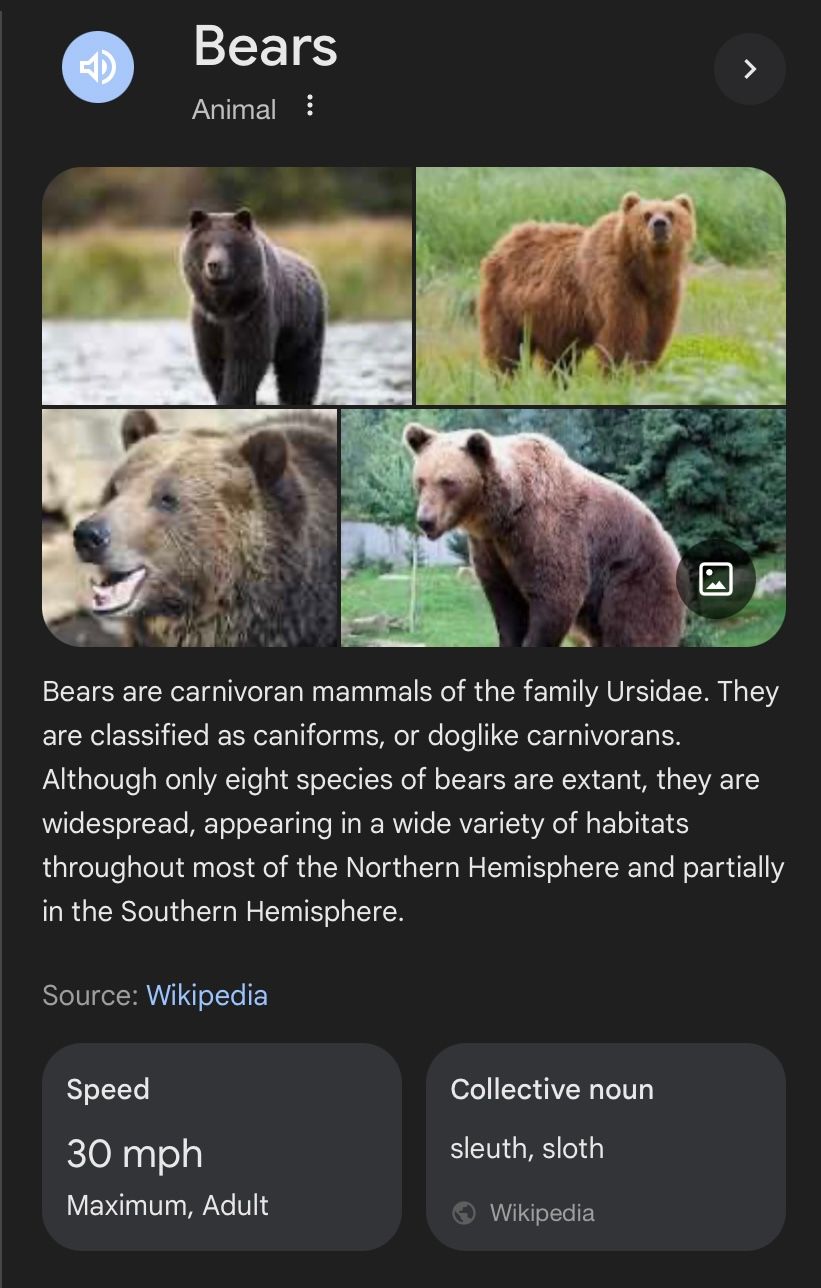
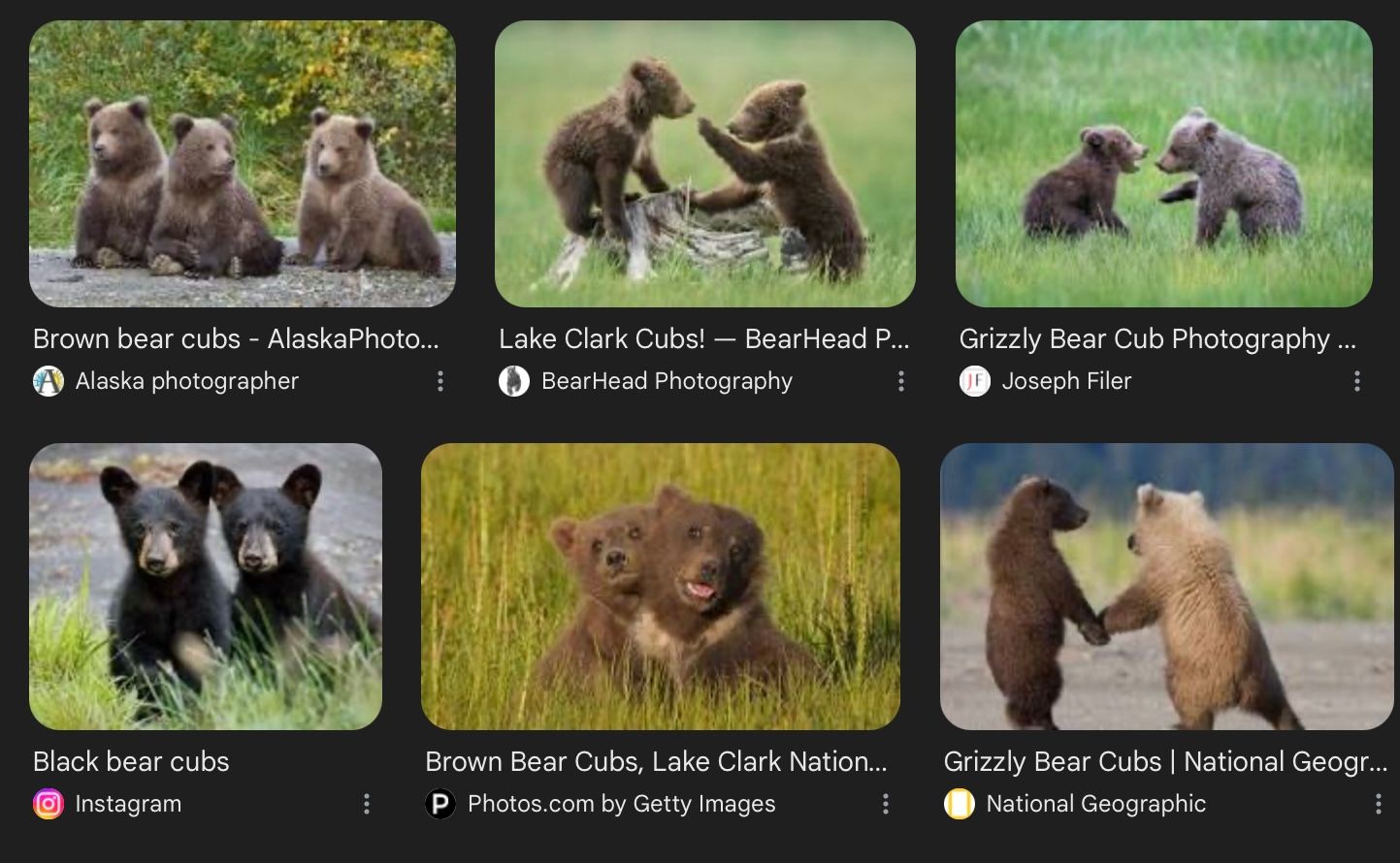
My answer: No, it would be impossible for a human being to LEAD a bear, because bears are not PAs with SELF-less CAPPs—by observation, they do not “join forces” to hunt—so they do not “FOLLOW A LEADER” by conscious nature, but rather, bears have SELF-enabled CAPPs that relate to other sentient beings by CHOICE.
Before a bear could make the CHOICE to have a RELATIONSHIP with me, it would have to OVERCOME ITS FEAR of me, which (the fear) would first have to be EXPRESSED THROUGH TEMPERAMENT.
And therein lies the problem: A MOTHER BEAR WITH CUBS WOULD HAVE TO FIGHT ME if I got too close to her cubs! The only other option would be FLEEING from me, but a mother bear can’t pick-up her cubs and take them with her, nor can the mother bear run away from her cubs, because from the mother bear’s POV, the cubs are objects that are literally “vulnerable parts of the mother’s body,” and a mother bear cannot FLEE FROM HER OWN BODY! (That’s also probably why the mother bear cares-for the cubs until they stop acting like “missing parts” of the mother’s body.)
Even without the presence of cubs, it would be unlikely—not impossible, but definitely UNSAFE for me—if a bear CHOSE to have a relationship with me, because all bears are more powerful than I am, and by observation, every adult bear has some FIGHT in its TEMPERAMENT, and on top of that, bears are OMNIVORES, so therefore if our relationship had any points of “disagreement,” then I would have to worry that THE BEAR WOULD DECIDE TO BITE (AND PERHAPS EAT) ME instead of “lovin’ me.”
Borat: I need an animal for protection. What do you have for me?
God: [at Job 38:36] Who gives the ibis wisdom or gives the rooster understanding?
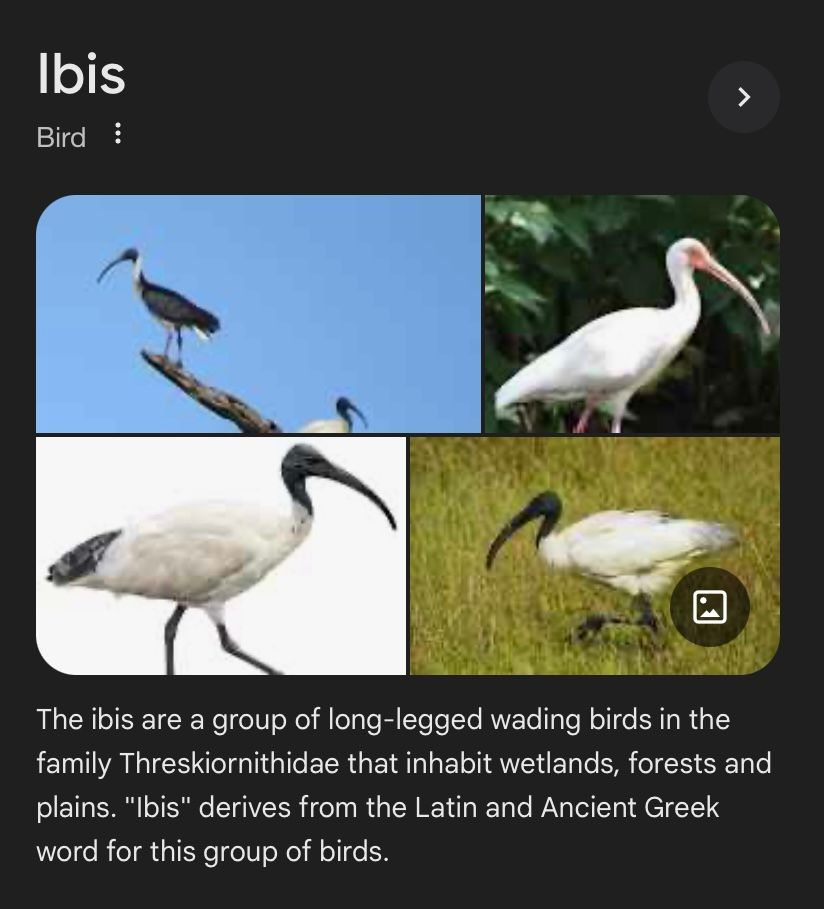
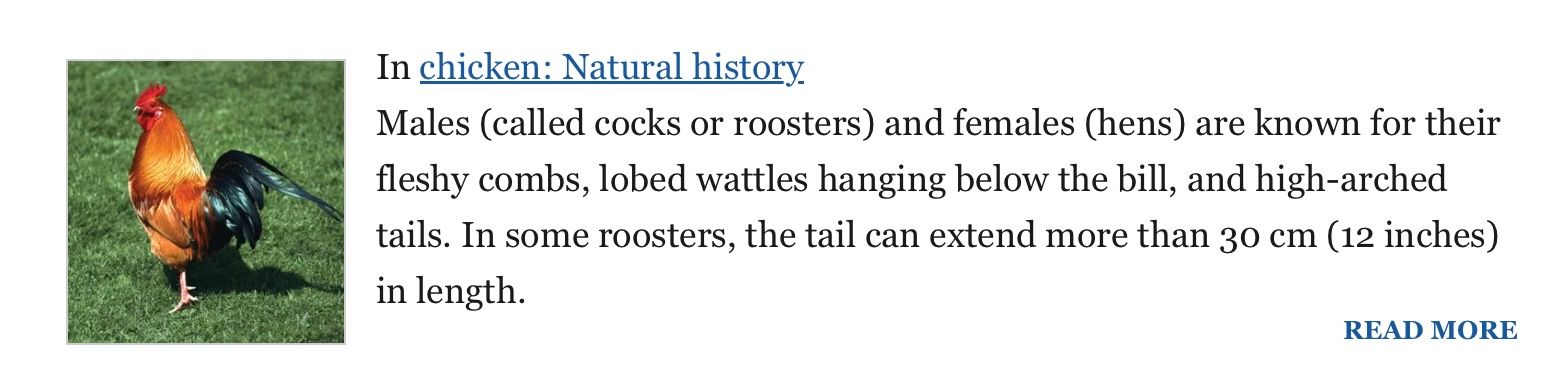
My answer: “Birds of a feather flock together,” which compels me to conclude that birds are PAs with SELF-less CAPPs; they remain together “slavishly,” whether in pairs or in groups.
God: [at Job 38:39-40] Do you hunt the prey for the lioness and satisfy the hunger of the lions when they crouch in their dens or lie in wait in a thicket?
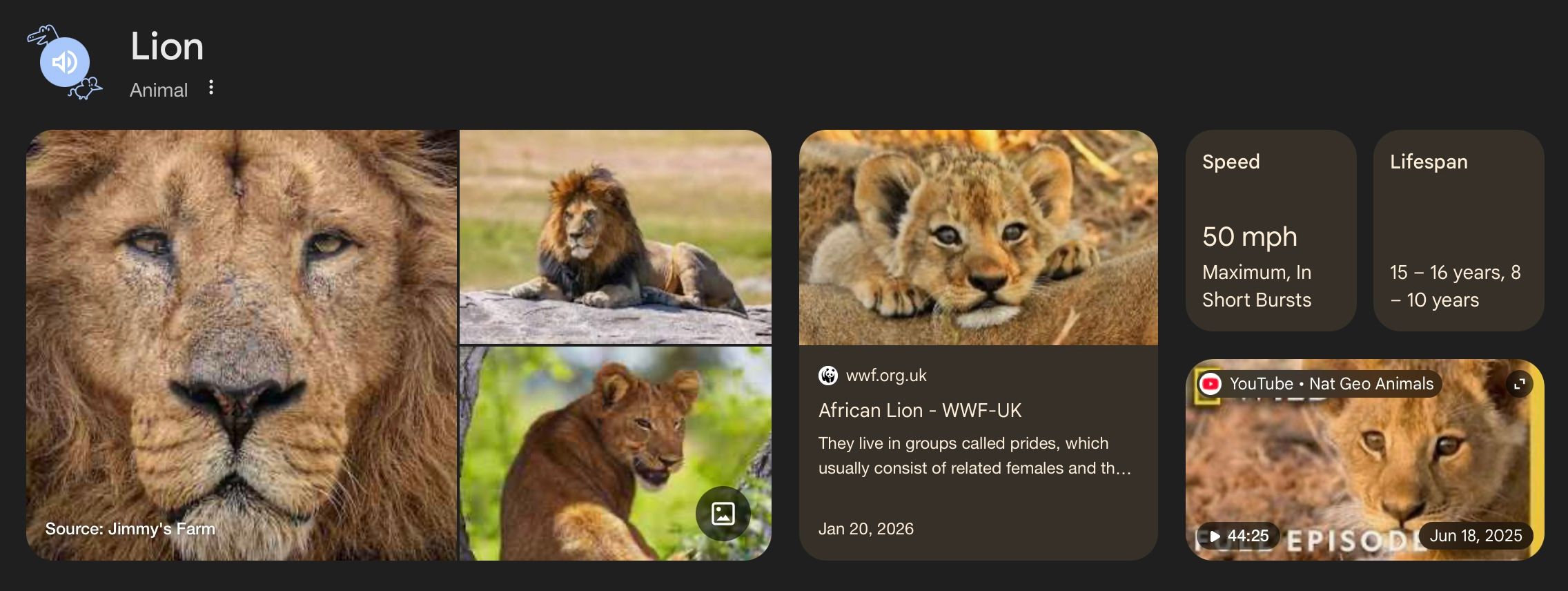
My answer: No; unlike other cats, lions are PAs, and I would not want to try to lead a lion, because it would be more likely for the lion to serve me for supper.
God: [at Job 38:41] Who provides food for the raven when its young cry out to God and wander about for lack of food?
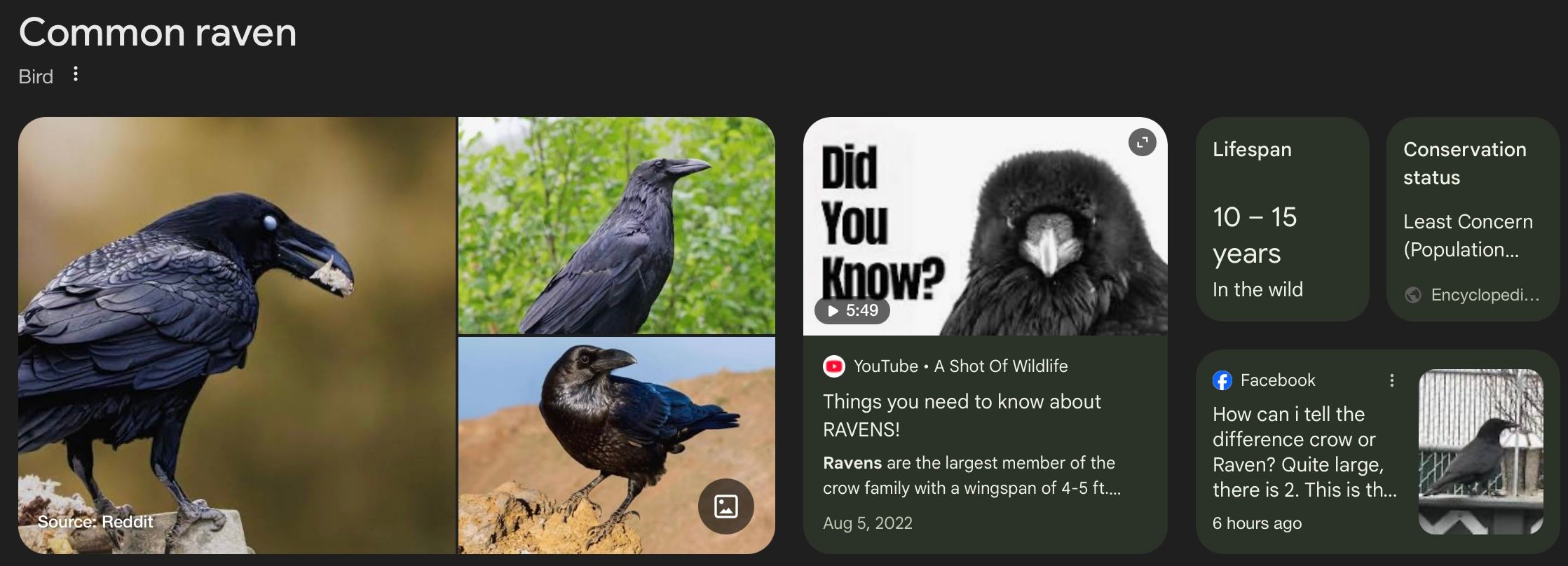
My answer: A raven is a PA, and the sensory inputs to a young raven’s SELF-less CAPP are triggered by various objects that the raven sees with their eyes as their hunger causes them to wander about after “fledging” (which means flying out of the nest), and they will approach an object according to their TEMPERAMENT, and if the approach results-in eating the object, then that will create a MEMORY of the event, and in the future, the MEMORY will be triggered—causing the eating behavior to repeat—whenever the raven is wandering about in hunger and sees a similar object.
God: [at Job 39:1-4] Do you know when the mountain goats give birth?
Do you watch when the doe bears her fawn?
Do you count the months till they bear?
Do you know the time they give birth?
They crouch down and bring forth their young;
their labor pains are ended.
Their young thrive and grow strong in the wilds; they leave and do not return.
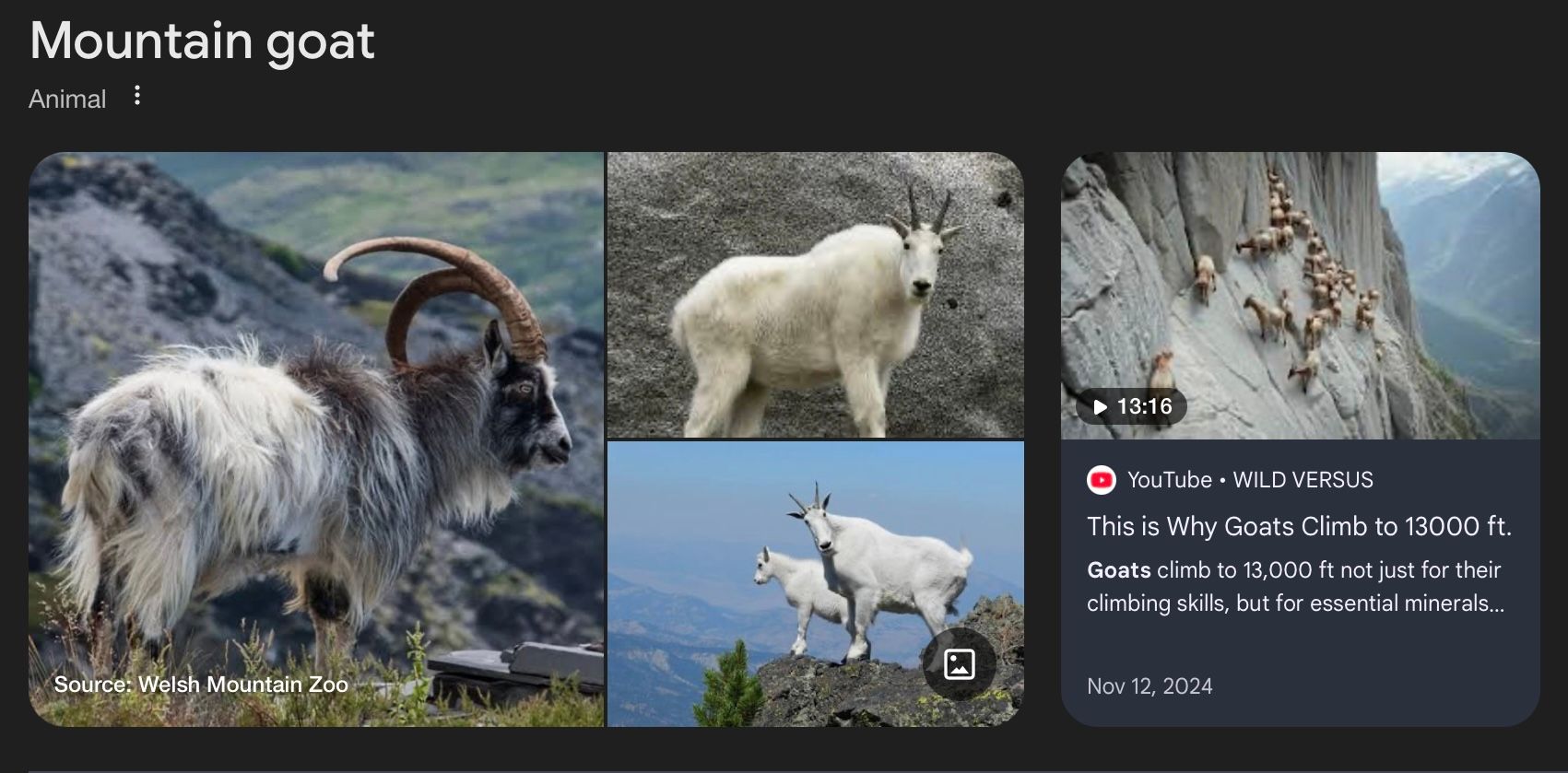
Google AI Overview says: “A mountain goat’s gestation period is about six months, or roughly 180 days, with births typically occurring in late May or early June after the November-December mating season, usually resulting in a single, precocial kid that can climb within hours of birth.”
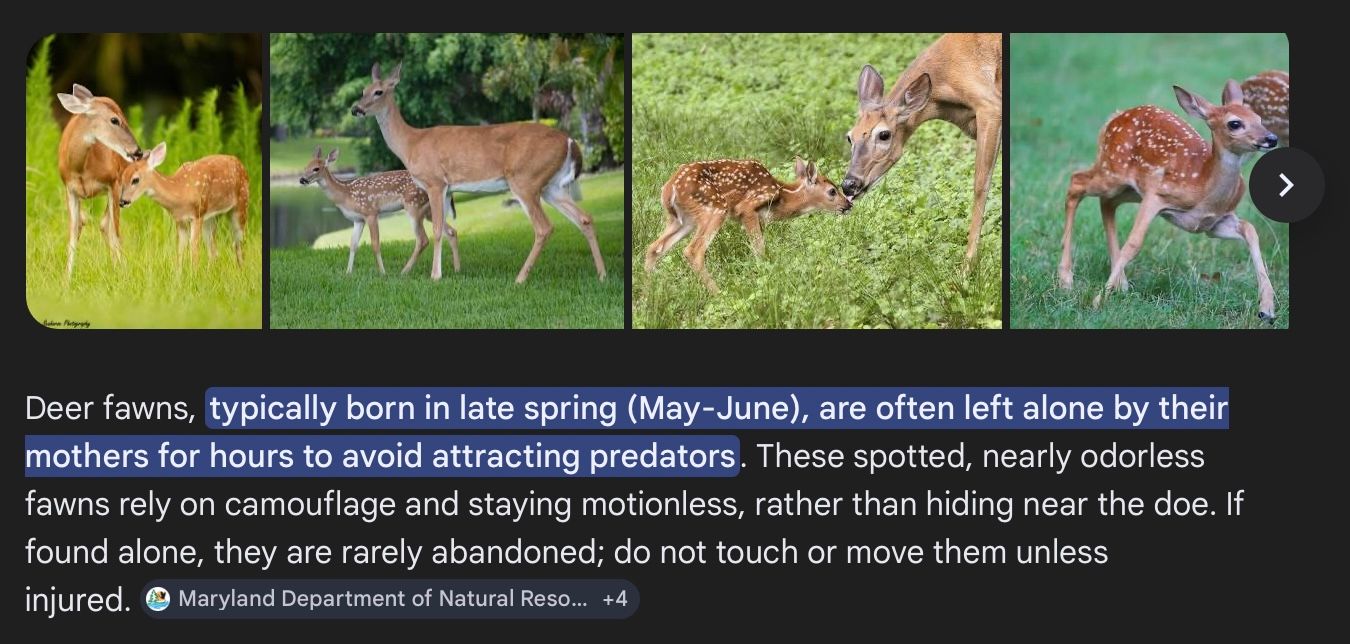
Google AI Overview says:“A deer’s gestation period averages around 200 days (about 6.5 months), with fawns typically born in late spring (May-June) after breeding in the fall, though it can range from 187 to 222 days depending on the species and conditions….First-time mothers often have one fawn, while older, well-nourished does frequently have twins or triplets.”
I think it’s interesting that the offspring of some species of PAs leave their mothers or vice-versa.
That could happen for a number of reasons, including: (1) the behaviors of the mothers are not triggering the “leader input” in the offsprings’ SELF-less CAPPs after the bodies of the offspring grow to a certain size; or (2) the mother’s behavior is FRIGHTENING to the offspring (or vice-versa), and TEMPERAMENT causes FLIGHT; or (3) there is a “clash of RANKS” between the mother and one of the offspring, and the mother leaves the group.
God: [Job 39:5-8] Who let the donkey go free?
Who untied its ropes?
I gave it the wasteland as its home, the salt flats as its habitat.
It laughs at the commotion in the town;
it does not hear a driver’s shout.
It ranges the hills for pasture and searches for any green thing.
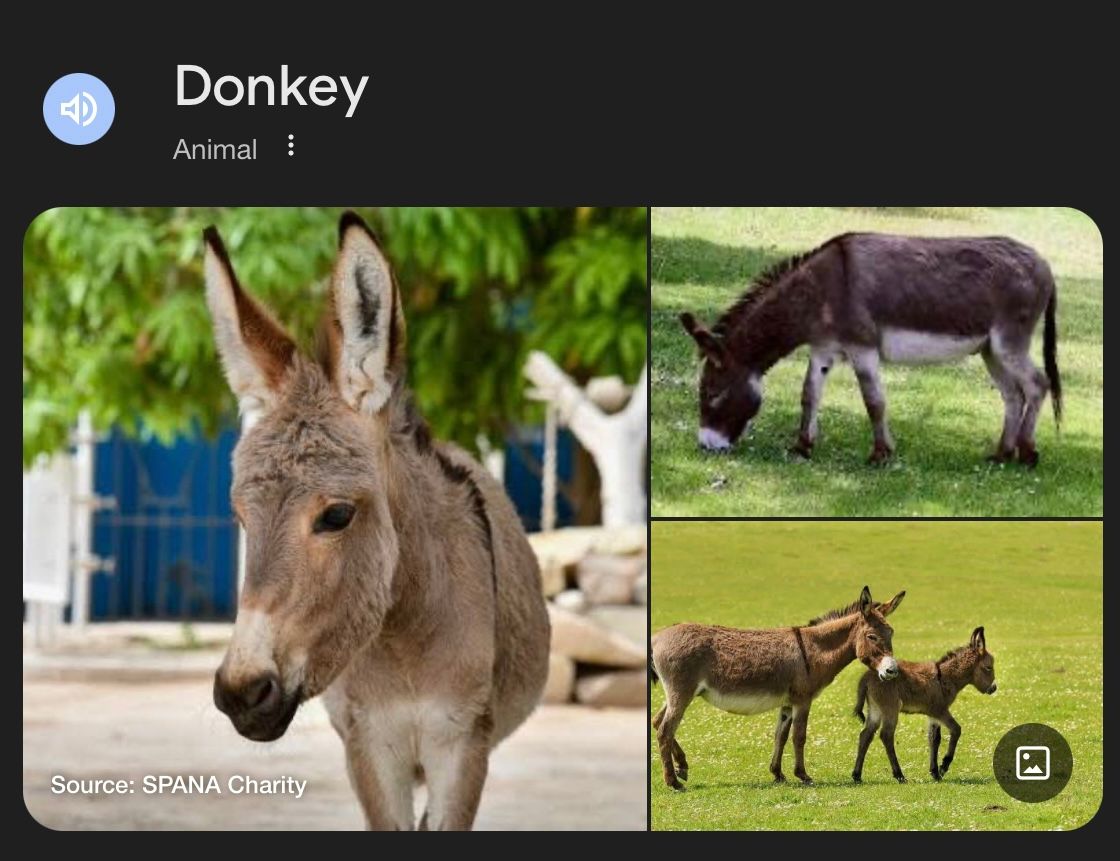
My answer: The question implies that donkeys are WILD animals—and according to my online research, they live in “herds,” often forming a permanent relationship with one other donkey, which indicates that donkeys are PAs—so therefore the reason why a donkey would not “hear a driver’s shout” is because the donkey’s SELF-less CAPP doesn’t recognize a person as a “leader input”; without MEMORIES OF PEOPLE, if the leader input of a donkey’s SELF-less CAPP was triggered at all by a person, it would be triggered VERY WEAKLY.
When the donkey gets hungry, it wanders around, and since a donkey is an herbivore, its hunger will be satisfied by EATING ANY GREEN THING, so then MEMORY will guarantee that the donkey will repeat the grazing behavior.
God: [Job 39:9-12]Will the wild ox consent to serve you?
Will it stay by your manger at night?
Can you hold it to the furrow with a harness?
Will it till the valleys behind you?
Will you rely on it for its great strength?
Will you leave your heavy work to it?
Can you trust it to haul in your grain and bring it to your threshing floor?
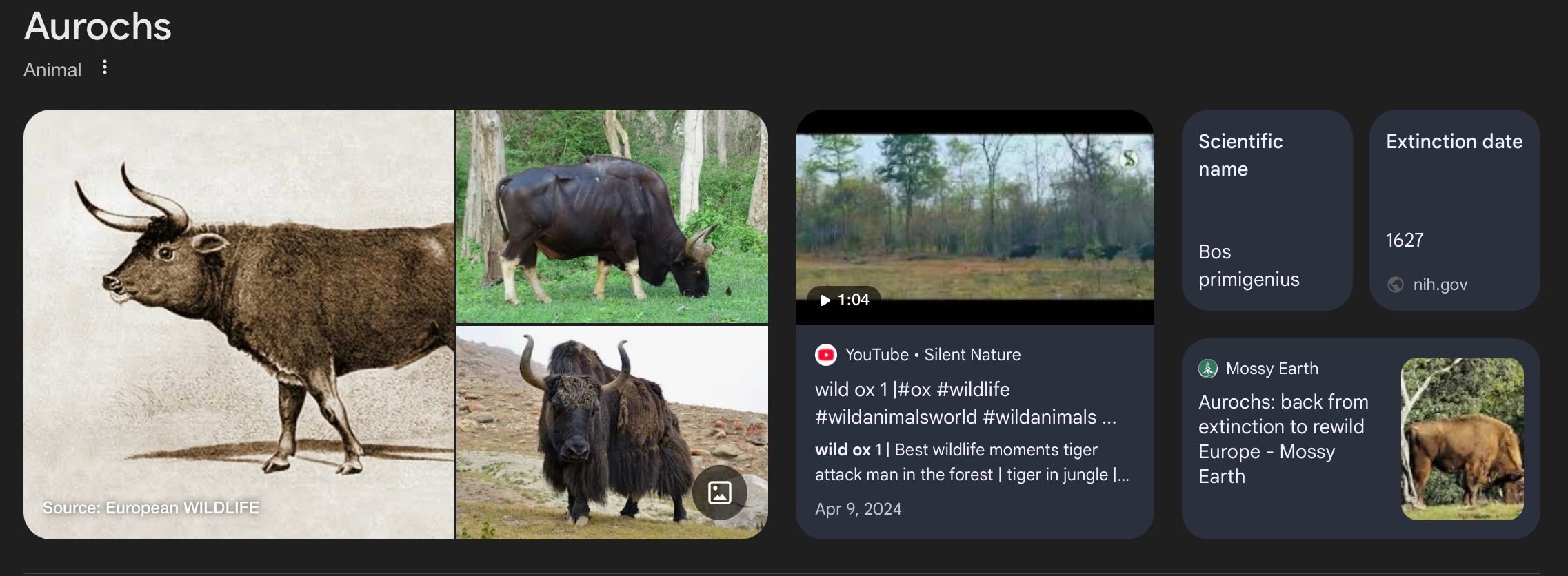
My answer: No, because by observation, oxen are PAs with SELF-less CAPPs, so it would be impossible for any ox to CONSENT to serve me, because a PA follows a leader by CONSCIOUS NATURE, NOT BY CHOICE.
And a WILD ox is not going to recognize me as a leader, because without MEMORIES OF PEOPLE, if the leader input of an ox’s SELF-less CAPP was triggered at all by a person, it would be triggered VERY WEAKLY.
Also, as noted, the ox is VERY STRONG as compared to a person, so there’s very little a person can do to STAND IN THE OX’S WAY, and thereby “take control” of the ox’s SELF-less CAPP.
Also, the TEMPERAMENT of a typical ox has MORE FIGHT than FLIGHT.
Ergo, with such a “dominant” TEMPERAMENT and such physical power, a wild adult ox would be next to impossible for me or anyone else to DOMESTICATE, i.e., to cause the SELF-less CAPP to “learn” to see a person as a leader input.
God: [at Job 39:13-18] The wings of the ostrich flap joyfully,
though they cannot compare with the wings and feathers of the stork.
She [the ostrich] lays her eggs on the ground and lets them warm in the sand,
unmindful that a foot may crush them,
that some wild animal may trample them.
She treats her young harshly, as if they were not hers;
she cares not that her labor was in vain,
for God did not endow her with wisdom or give her a share of good sense.
Yet when she spreads her feathers to run, she laughs at horse and rider.
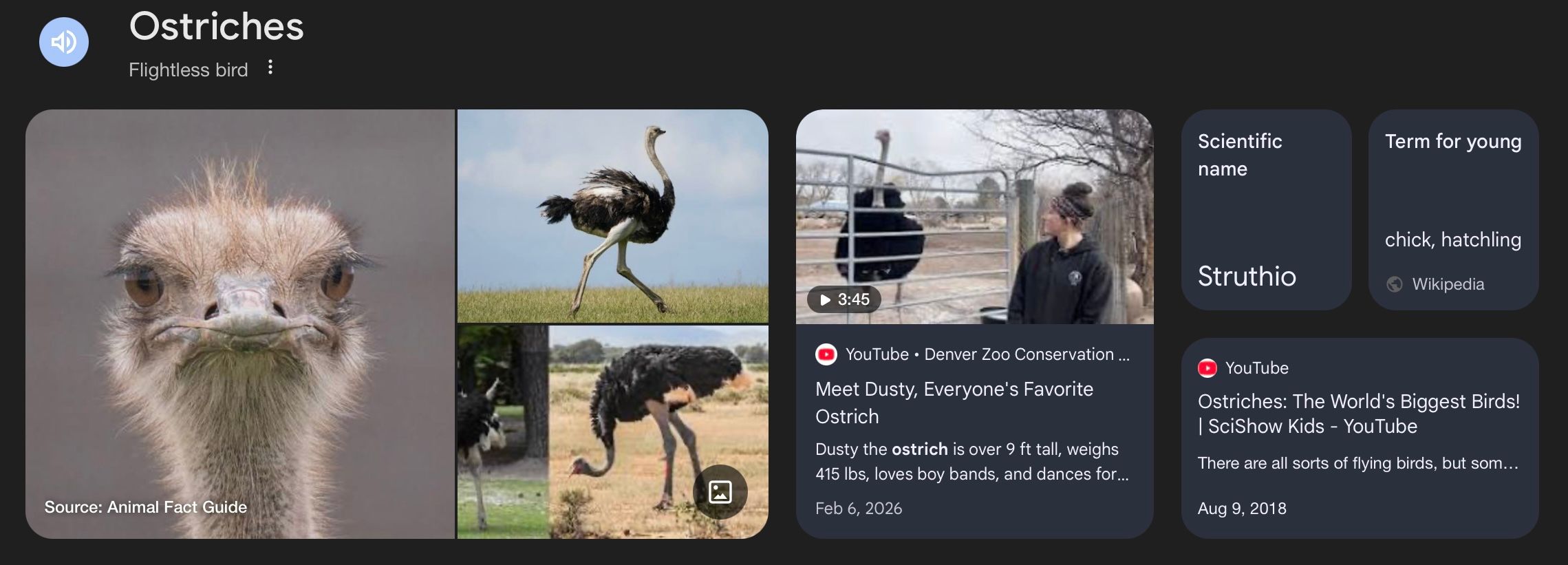
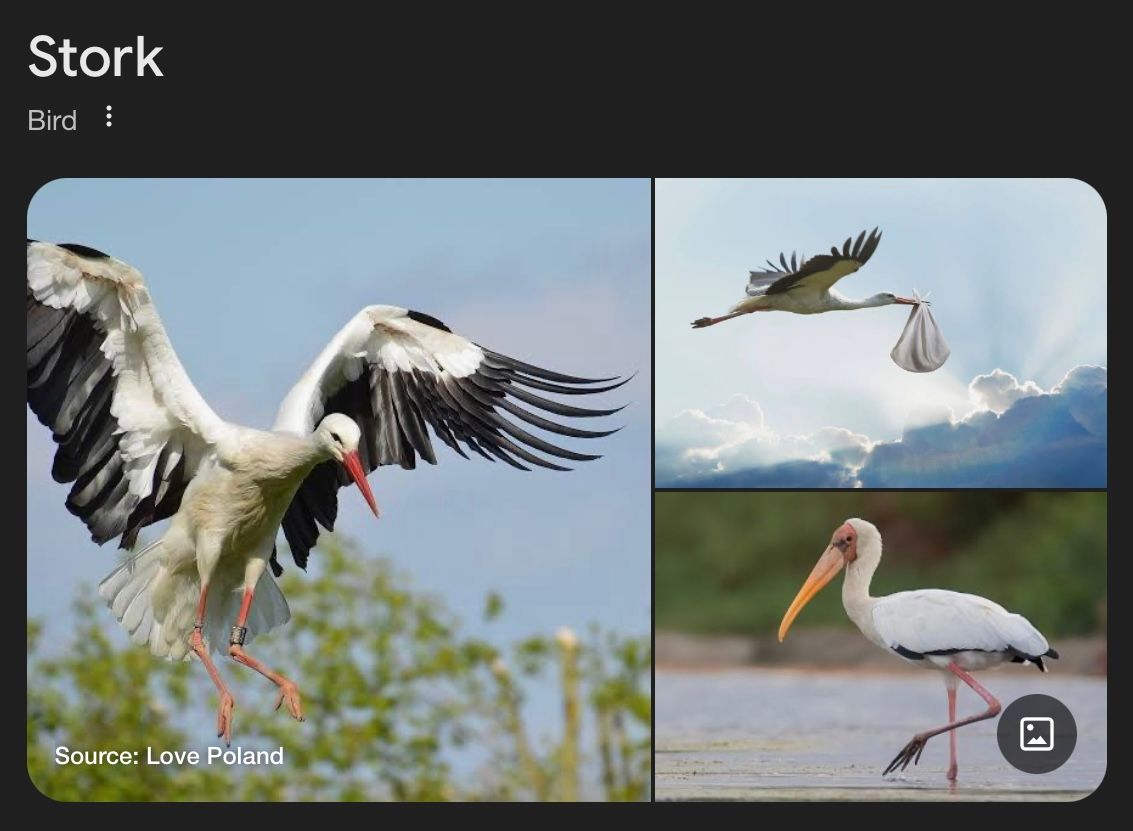
The reader must wonder why the ostrich does not view hatchlings as “hers”?
My answer: Because the ostrich lays her eggs on the ground and lets them “warm in the sand,” instead of “sitting on the eggs” until they hatch, so then when the ostrich’s eggs hatch in the sand, the mother ostrich does not view the ostrich chicks as “parts of the mother ostrich’s body,” and therefore the ostrich chicks are “strangers” to the mother ostrich from Day 1, and chicks alone don’t intensely trigger any of the mother ostrich’s sensory inputs, i.e., the mother ostrich’s TEMPERAMENT doesn’t sweat the small stuff.
As for laughing at the horse and rider as she runs, a person can’t “ride” an ostrich (the ostrich’s body doesn’t allow for that possibility)—and that’s the only reason why a horse’s SELF-less CAPP “learns” to recognize a person as a leader input—so the WILD ostrich can BE HAPPY FOLLOWING HER INSTINCTS alone.
God: [at Job 39:19-25] Do you give the horse its strength
or clothe its neck with a flowing mane?
Do you make it leap like a locust,
striking terror with its proud snorting?
It paws fiercely, rejoicing in its strength, and charges into the fray.
It laughs at fear, afraid of nothing;
it does not shy away from the sword.
The quiver rattles against its side, along with the flashing spear and lance.
In frenzied excitement it eats up the ground;
it cannot stand still when the trumpet sounds.
At the blast of the trumpet it snorts, ‘Aha!’
It catches the scent of battle from afar,
the shout of commanders and the battle cry.
My answer: I think the question is raising the “death therapy” topic, because horses are notoriously skittish; they are not war-makers!
THE SAME DEATH THERAPY TRAINING TECHNIQUES applicable to dogs are applicable to other PAs such as horses, except that the way a person does death therapy on a horse is by SUCCESSFULLY GETTING ON TOP OF THE HORSE AND STAYING THERE WHILE *LEADING* THE HORSE THROUGH PERILOUS SITUATIONS.
DISCLAIMER: I’m not an animal trainer, nor am I advocating for the use of death therapy as an animal training technique, but rather, I have simply NOTICED that a lot of dog trainers use the same “formula”—which I call death therapy—to “win the competition” for control of the behavioral output of a dog’s SELF-less CAPP.
The reason I call the formula death therapy is because it’s a simple fact that DEATH MUST LOSE EVERY COMPETITION in the SELF-less CAPP.
Think about it: The only way for a SELF-less CAPP to function is if the body does not LOSE CONSCIOUSNESS, so therefore a sensory input that enables the body to MAINTAIN CONSCIOUSNESS will WIN CONTROL OF THE BEHAVIORAL OUTPUT over another input that is threatening to CAUSE UNCONSCIOUSNESS.
The death therapy formula leverages that fact to cause the *leader input* to win the competition for control of the behavioral output of the CAPP at a time when another input—which the leader is controlling—is threatening to CAUSE UNCONSCIOUSNESS, but only if the scene is strictly controlled and narrowed-down to contain only two competing alternatives: (1) LIFE with the handler, aka LEADER, who is commanding the animal to interact with the fearsome trigger; or (2) DEATH by “flighting or fighting” against the fearsome trigger according to TEMPERAMENT.
For a demonstration by Cesar Milan and a dog named Misty, see the following video: https://www.facebook.com/watch/?v=863617922163708
Here’s a 7-step breakdown of the death therapy formula as I have observed it:
First, a handler IDENTIFIES A DESIRED BEHAVIOR AND SETS-UP A SCENE THAT MAKES IT POSSIBLE FOR THE ANIMAL-IN-TRAINING TO PERFORM THE DESIRED BEHAVIOR WITH THE ASSISTANCE OF THE HANDLER.
Second, the handler puts a hangman’s noose (or other weapon capable of applying enough force to kill the animal) around the animal’s neck and takes the animal into the scene that was set-up.
Third, the handler CONTRIVES A SITUATION (maybe the contrived situation is inherently part of the scene set-up, or maybe third parties are enlisted to act as “boogeymen”) TO SCARE THE ANIMAL AND THEREBY CAUSE THE TEMPERAMENT OF THE ANIMAL’S CAPP TO WIN CONTROL OF THE BEHAVIORAL OUTPUT.
Fourth, the handler GENTLY MOVES THE ANIMAL INTO A POSITION IN THE SCENE, from which position the animal will EASILY be able to perform the desired behavior with the assistance of the handler, and will AUTOMATICALLY BECOME SAFE upon performing the desired behavior.
Fifth, the handler ABRUPTLY CUTS OFF THE ANIMAL’S AIR SUPPLY WITH THE NOOSE (or other deadly weapon) in such a manner that IF THE TEMPERAMENT CONTINUES TO WIN CONTROL OF THE CAPP ALGORITHM, THEN THE ANIMAL WILL WILL SURELY DIE.
Sixth, BEFORE THE ANIMAL DIES, BUT WITHOUT LETTING-UP ON THE DEADLY FORCE BEING APPLIED, the handler GIVES THE ANIMAL A WAY TO LIVE BY ASSISTING THE ANIMAL TO DO THE DESIRED BEHAVIOR (and again, it is important to note that the scene must be strictly controlled and narrowed-down to contain only two competing alternatives: (1) LIFE with the handler, aka LEADER, who is commanding the animal to interact with the fearsome trigger; or (2) DEATH by “flighting or fighting” against the fearsome trigger according to TEMPERAMENT.)
Seventh, the instant the animal BEGINS to do the desired behavior, THE HANDLER ABRUPTLY STOPS APPLYING DEADY FORCE VIA THE NOOSE OR OTHER DEVICE (ALL FORCE IS REMOVED FROM THE ANIMAL), and the handler allows the animal to NATURALLY FINISH the desired behavior all by themself, and as a result the animal LIVES by *following the handler’s lead* instead of dying by *following the TEMPERAMENT/fear*.
Now after that “success” in that SPECIFIC SITUATION—meaning after the animal had a “near-death experience” that caused the CAPP to SWITCH CONTROL of the behavioral output from THE TEMPERAMENT/FEAR TRIGGER to THE LEADER for the sole purpose of AVOIDING THE ANIMAL’S BODILY DEATH—then IN THE FUTURE (albeit only in that specific situation), THE ENERGY OF THE LEADER WILL ALWAYS BE GREATER THAN THE ENERGY OF THE TRIGGER OF FEAR, because whenever that specific situation arises, the CAPP will PULL-UP THE MEMORY of the INTENSITY OF THE WINNING INPUT (that’s now going to be THE LEADER INPUT, which will be MORE INTENSE in that situation THAN ANY POSSIBLE TRIGGER OF FEAR, because it had to be that intense to overcome the actual experience of imminent DEATH), then that MEMORY will automatically cause the animal’s body to RE-EXPERIENCE (like PTSD) the same energy intensity in response to the handler (no matter who the handler is in the future) as the animal experienced during the death therapy.
In the future, it will APPEAR as if the handler is causing the animal to “calm down” or “be brave,” but in fact, the handler is causing the animal to have PTSD, and the only way for the animal to avoid death during the PTSD experience is to follow the handler’s lead.
God: [at Job 39:26-30] Does the hawk take flight by your wisdom and spread its wings toward the south?
Does the eagle soar at your command and build its nest on high?
It dwells on a cliff and stays there at night;
a rocky crag is its stronghold.
From there it looks for food; its eyes detect from afar.
Its young ones feast on blood, and where the slain are, there it is.
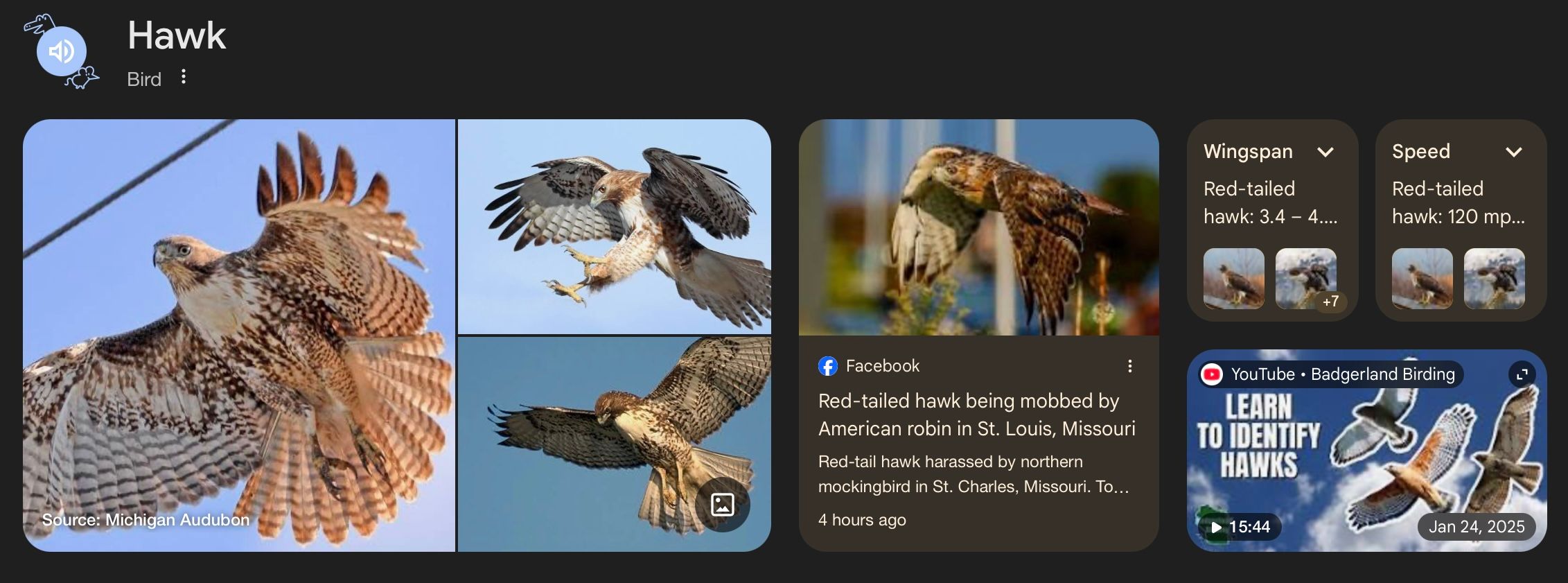
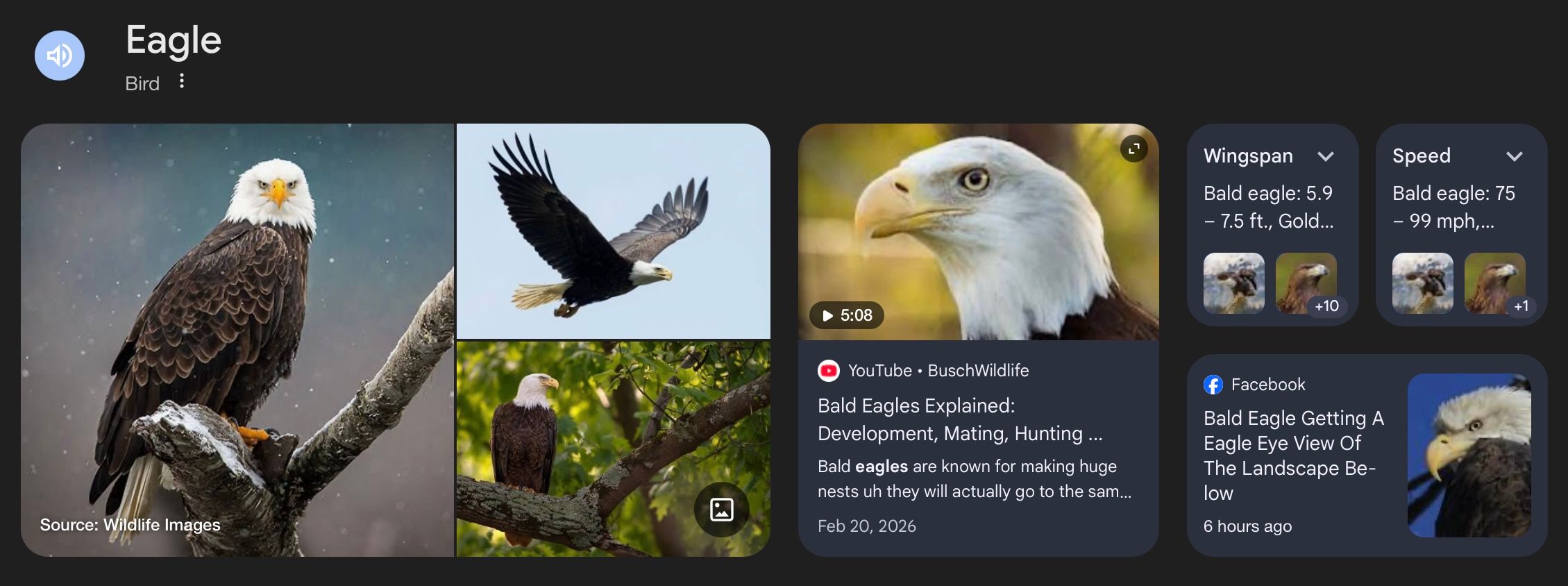
My answer: It is theoretically possible that a hawk or an eagle would recognize me as a leader, especially if I hand-raised the bird.
A baby bird’s CAPP seems to be programmed to say: “A leader is in the eye of the beholder.”
But it would be difficult for a person to trigger the leader input of a physically-powerful WILD ADULT bird, such as a hawk or an eagle, because the WILD ADULT bird does not have any EARLY MEMORIES of people.
Still, even in the case of a large, powerful, WILD ADULT bird, it’s quite easy for a person to cause the bird to go silent and stay still, simply by obscuring the bird’s vision with “darkness,” e.g., covering its head or enclosure.
This fact REVEALS that every bird’s CAPP is programmed to say: “What you can’t see can’t hurt you.”
RECALL the movie “Bird Box”: In that movie, PEOPLE COVERED THEIR EYES—people CHOSE WILLFUL BLINDNESS—because the people WANTED TO BELIEVE that “what you can’t see can’t hurt you.”
God: [in Job Chapter 40] Look at Behemoth,
which I made along with you and which feeds on grass like an ox
[my note: this means that the Behemoth is either herbivorous or omnivorous].
What strength it has in its loins, what power in the muscles of its belly!
Its tail sways like a cedar
[my note: it has a long tail];
the sinews of its thighs are close-knit.
Its bones are tubes of bronze, its limbs like rods of iron
[my note: it has limbs, which are strong but not delicate or sensitive to harsh conditions].
It ranks first among the works of God
[my note: this means that the Behemoth is not a lower-ranking ‘pack animal,’
and it could also be a reference to one of the two types of God-given animal CAPPs],
yet its Maker can approach it with his sword
[my note: this means that the Behemoth is not a ‘pack animal’ at all, because a PA that is the leader of a pack must have a CAPP that does not recognize a leader, but we are told that God can approach the Behemoth with his SWORD, so therefore we know that the Behemoth must be able to CHOOSE TO HAVE A RELATIONSHIP WITH GOD, which means that it has a SELF-enabled CAPP].
The hills bring it their produce, and all the wild animals play nearby.
Under the lotus plants it lies, hidden among the reeds in the marsh.
The lotuses conceal it in their shadow
[my note: so we know that the animal is not very large, and it dwells in freshwater, because (as Google AI Overview reports): ‘A lotus plant’s size varies…but they generally grow 1 to 6 feet tall, with large leaves (up to 2 feet wide) and impressive flowers (8-12 inches across) held high above the water on long stalks. [A lotus plant] can tolerate brackish (slightly salty) conditions, although they don’t grow in saltwater. They need nutrient-rich, fresh water and warm temperatures to flourish’];
the poplars by the stream surround it.
A raging river does not alarm it;
it is secure, though the Jordan should surge against its mouth
[my note: now we know that it has lungs, otherwise it would not notice the river at all, because to notice the river, it must be entirely separate from the river that ‘surges against its mouth,’ which makes me think that it is a reptile not an amphibian, since an amphibian only develops lungs as an adult].
Can anyone capture it by the eyes
[my note: NO, it is NOT LIKE A BIRD, i.e., a PA seeing that ‘a leader is in the eye of the beholder’],
or trap it and pierce its nose?
[my note: NO, it is not a PA at all; it must CONSENT to have a relationship]
My answer: The Behemoth is A TURTLE.
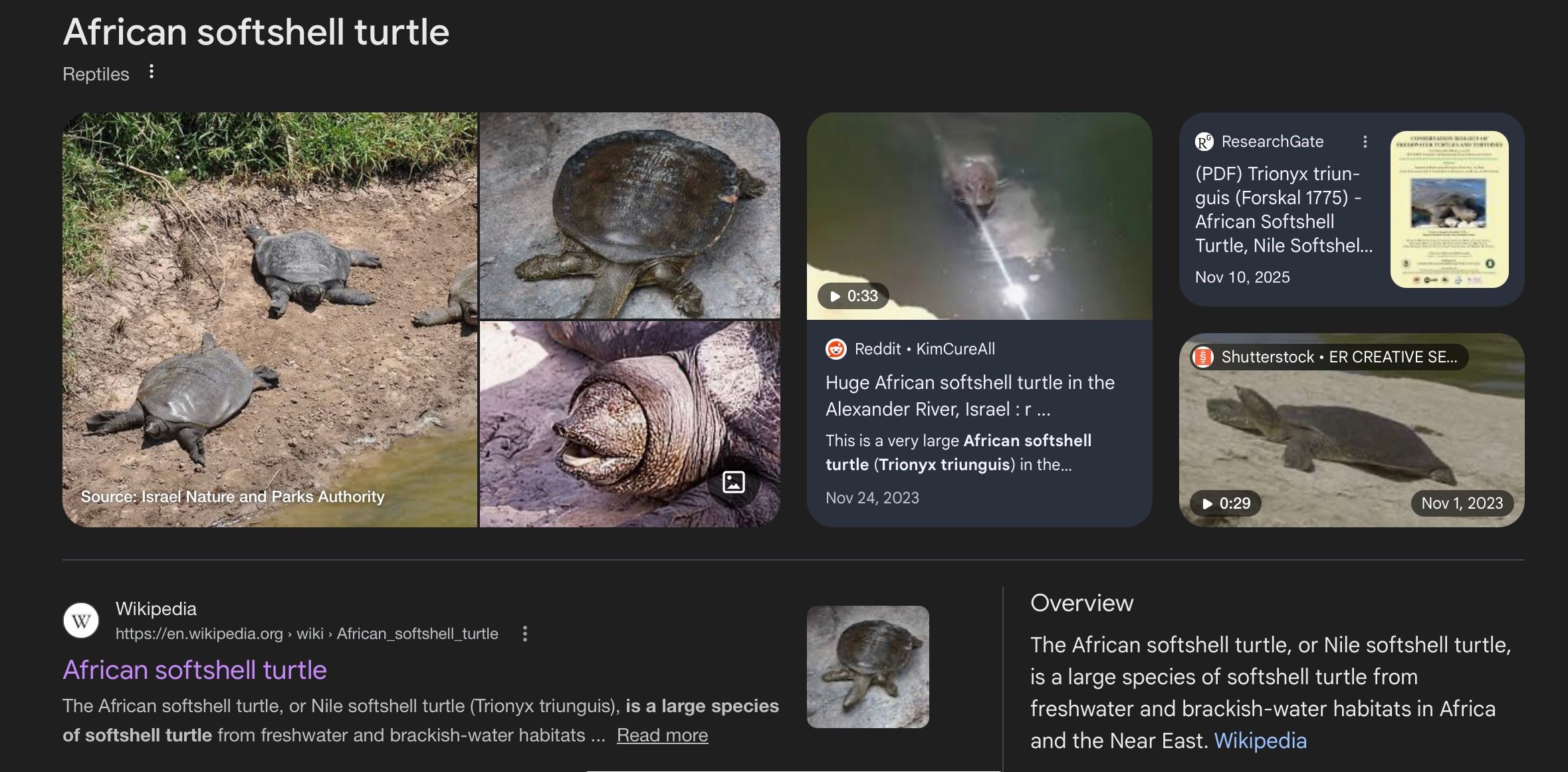
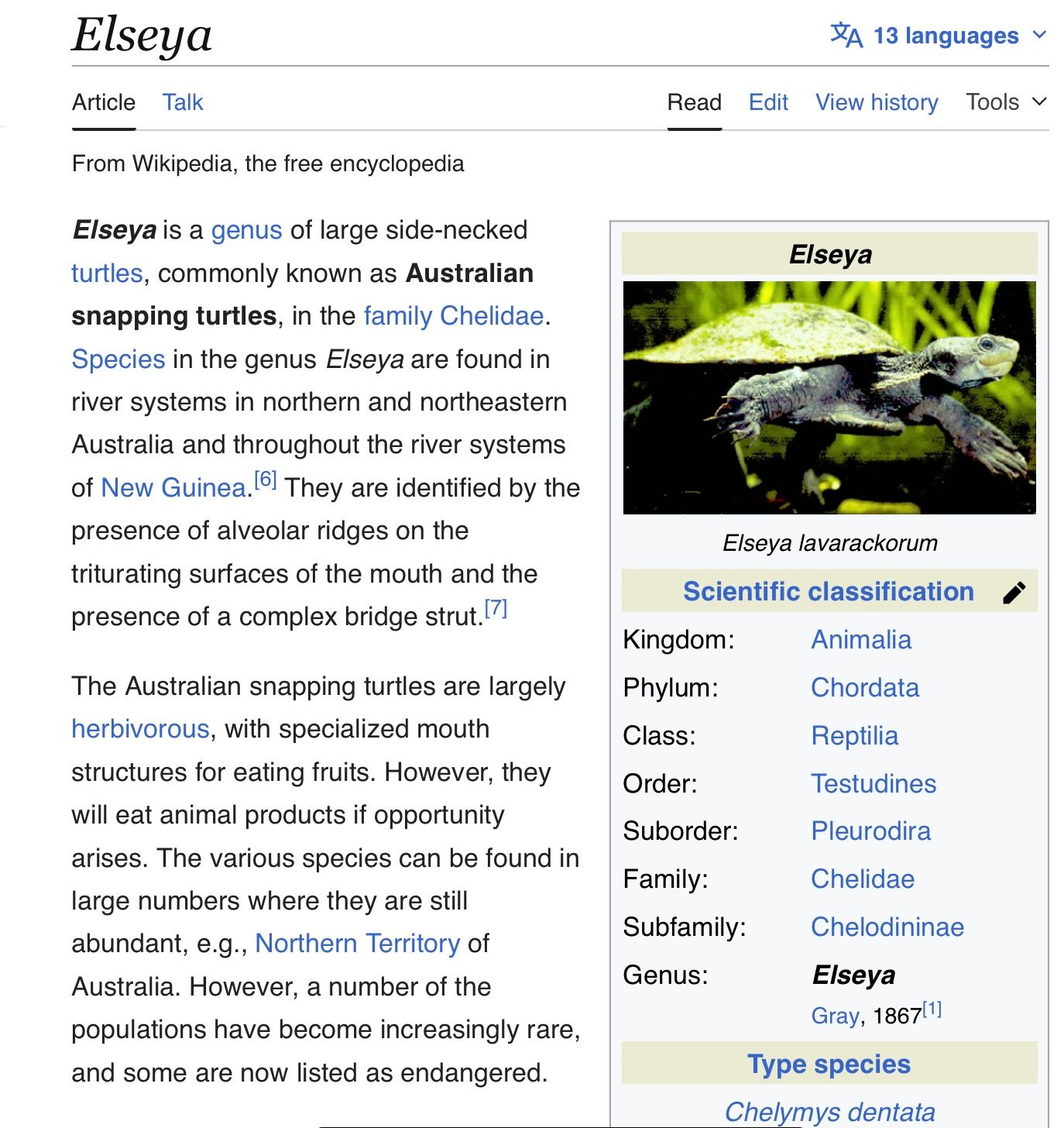
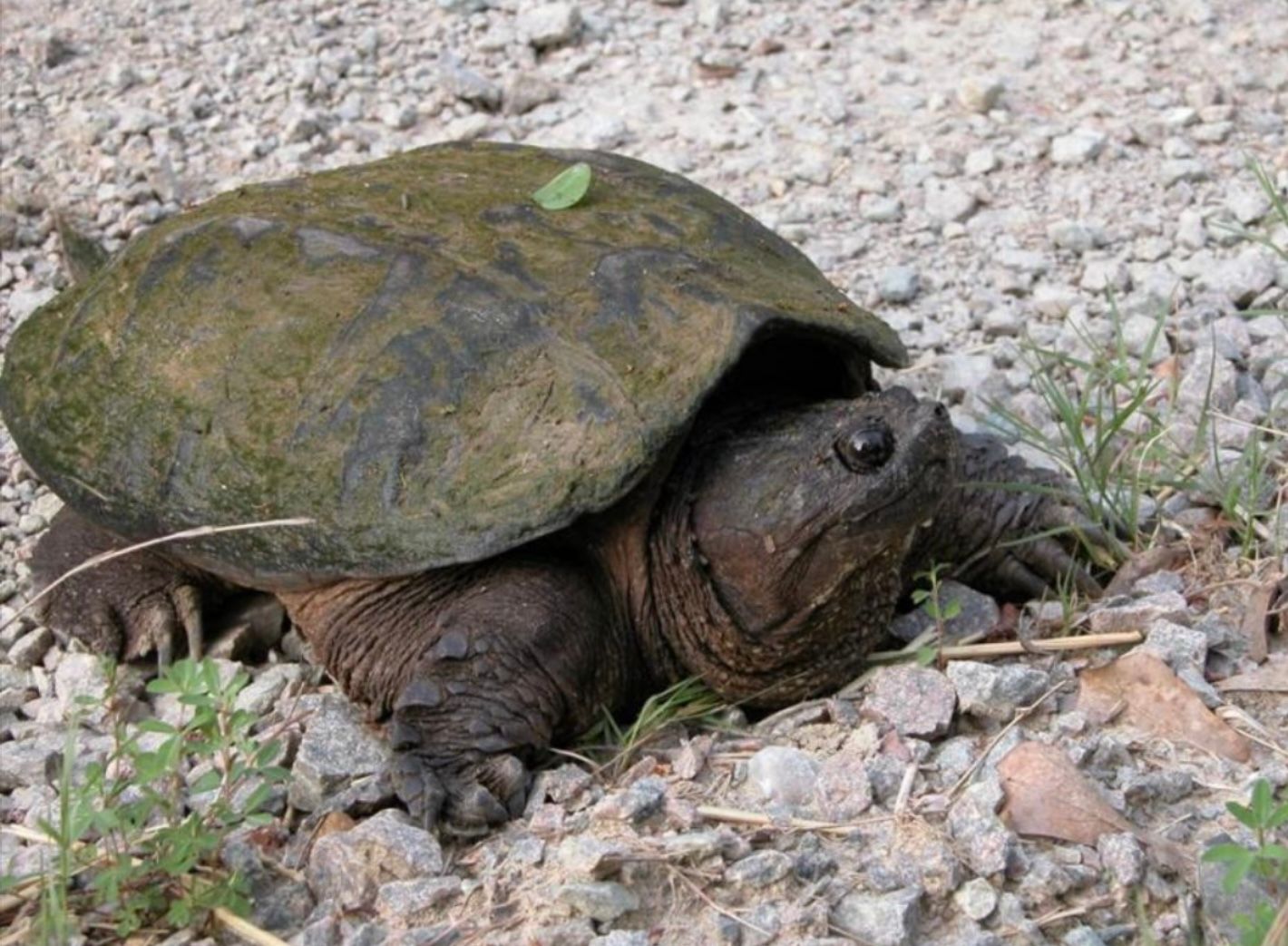
https://www.ncwildlife.gov/species/common-snapping-turtle
“This common and familiar animal is North Carolina’s largest freshwater turtle. Its large head and long tail make identification easy. Snappers are so named because they defend themselves by snapping and biting aggressively when handled or otherwise molested. They are top-level predators in many food chains and are important components in aquatic ecosystems….Contrary to popular belief, a large proportion of a snapping turtles’ diet is made up of vegetation/plant matter.”
God: [in Job Chapter 41] Can you pull in Leviathan with a fishhook or tie down its tongue with a rope?
Can you put a cord through its nose or pierce its jaw with a hook?
Will it keep begging you for mercy?
Will it speak to you with gentle words?
Will it make an agreement with you for you to take it as your slave for life?
[my note: the question is whether or not it can CHOOSE to have a relationship?]
Can you make a pet of it like a bird
or put it on a leash for the young women in your house?
[my note: or alternatively, is it a PA, and if so, will it follow your lead?]
Will traders barter for it?
Will they divide it up among the merchants?
[my note: is it a source of profit for people?]
Can you fill its hide with harpoons or its head with fishing spears?
[my note: we should assume that it is aquatic, because the first question was: ‘Can you pull in Leviathan with a fishhook…?’].
If you lay a hand on it, you will remember the struggle and never do it again!
[my note: it is dangerous to people who touch it.]
Any hope of subduing it is false; the mere sight of it is overpowering.
No one is fierce enough to rouse it.
Who then is able to stand against me?
Who has a claim that I must pay?
Everything under heaven belongs to me.
I will not fail to speak of Leviathan’s limbs, its strength and graceful form
[my note: does it have limbs to speak of? if so, then why didn’t God speak of the limbs? this line of questioning makes me SUSPECT that God is talking about a snake].
Who can strip off its outer coat?
Who can penetrate its double coat of armor?
Who dares open the doors of its mouth, ringed about with fearsome teeth?
[my note: according to Google AI Overview: ‘All snakes have teeth, but they vary greatly’; and according to encyclopedia.com: ‘all snakes are carnivores’].
Its back has rows of shieldstightly sealed together;
each is so close to the next that no air can pass between
[my note: this sounds like a description of scales].
They are joined fast to one another; they cling together and cannot be parted.
Its snorting throws out flashes of light;
its eyes are like the rays of dawn
[my note: if it snorts then it must have lungs/breathe air].
Flames stream from its mouth; sparks of fire shoot out.
Smoke pours from its nostrils as from a boiling pot over burning reeds
[my note: this sounds like a description of a snake hissing].
Its breath sets coals ablaze and flames dart from its mouth.
Strength resides in its neck; dismay goes before it.
The folds of its flesh are tightly joined; they are firm and immovable.
Its chest is hard as rock, hard as a lower millstone.
When it rises up, the mighty are terrified; they retreat before its thrashing.
The sword that reaches it has no effect, nor does the spear or the dart or the javelin.
Iron it treats like straw and bronze like rotten wood.
Arrows do not make it flee; slingstones are like chaff to it.
A club seems to it but a piece of straw; it laughs at the rattling of the lance.
Its undersides are jagged potsherds, leaving a trail in the mud like a threshing sledge
[my note: this definitely sounds like a slithering snake’s belly.]
It makes the depths churn like a boiling cauldron and stirs up the sea like a pot of ointment.
It leaves a glistening wake behind it;
one would think the deep had white hair
[my note: we are being told that this snake swims at various depths in the ocean].
Nothing on earth is its equal—a creature without fear
[my note: this means that there’s no way to AVOID being bitten if you touch it].
It looks down on all that are haughty; it is king over all that are proud
[my note: we are further being informed that this snake is found in high places].
My answer: The Leviathan is A BANDED SEA KRAIT snake.
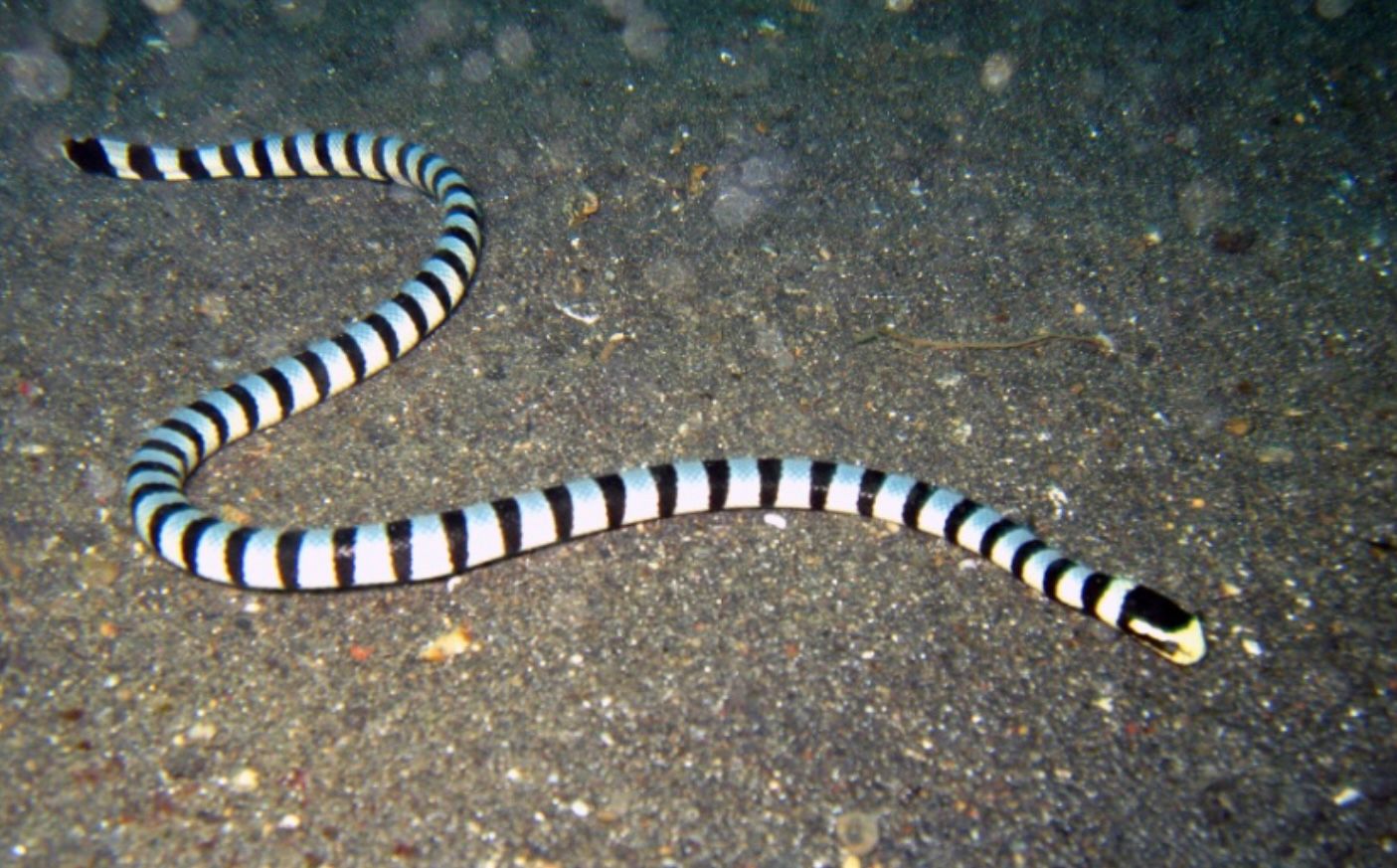
Banded sea kraits reportedly hunt (eels and other small fish) cooperatively, so therefore we know that the sea krait is a PA; but as a wild animal that can’t be safely approached by people because of its fearlessness and its venom, it’s not going to recognize a person as a leader. And it’s not going to be very catchable SLITHERING IN THE WATER; even weapons that work underwater aren’t going to be very effective against it because a snake’s body doesn’t move in a straight line.
https://earthsky.org/earth/lifeform-of-the-week-banded-sea-krait-is-a-two-headed-swimming-snake/
“Banded sea krait is a swimming, tree-climbing, venomous beauty”
“In one bite, a banded sea krait can deliver roughly ten times the venom needed to kill an average-sized human. But such events seldom occur. Banded sea kraits do not acknowledge our species as either prey or predator….they just ignore us.”
According to Google AI Overview: “[B]anded sea kraits (Laticauda colubrina) often live and interact in groups, especially for mating, basking, and surprisingly, cooperative hunting, though they can also be solitary….”
Also see “Sea Krait: The Deadly Venomous Sea Snake” on YouTube.
In Joy,
Frank